
Biographies: American Indian Heritage
Learn about the remarkable lives of the individuals portrayed in the following selections. Some, like Sitting Bull and Crazy Horse, you probably have heard of. Others, like Annie Dodge Wauneka, Walking Coyote, and the New York City Skywalkers, may be new to you and your students. Yet all of them, in their own way showed courage — to lead, to follow a dream, or to simply be themselves.
Other Resources
Find more American Indian/Alaska Native (AIAN) titles through:
A Boy Called Slow

Like most Lakota Sioux boys, Slow yearns for the special vision or manly deed that will inspire his permanent, adult name. Encouraged by splendid stories of his father's bravery, wisdom and leadership, Slow focuses his energy on becoming a warrior. Friends gradually begin to associate his name with careful deliberation. When the moment of his manhood arrives, Slow rides heroically against Crow warriors, earning the name Tatan'ka Iyota'ke (translated, on the final page, as Sitting Bull). — Publishers Weekly
At the Mountain's Base

At the mountain's base sits a cabin under an old hickory tree. And in that cabin lives a family -- loving, weaving, cooking, and singing. The strength in their song sustains them through trials on the ground and in the sky, as they wait for their loved one, a pilot, to return from war.
With an author's note that pays homage to the true history of Native American U.S. service members like WWII pilot Ola Mildred "Millie" Rexroat, this is a story that reveals the roots that ground us, the dreams that help us soar, and the people and traditions that hold us up.
Black Elk's Vision: A Lakota Story
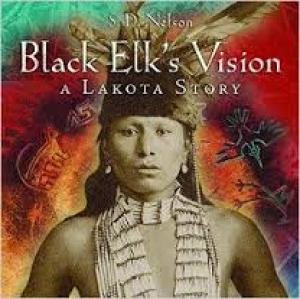
"This handsomely designed, large-format book tells the story of Black Elk (1863—1950), a Lakota man who saw many changes come to his people. In this first-person, present-tense account, Black Elk says that as a nine-year-old boy, he is blessed with a Great Vision. At 12, he fights in the Battle of Little Bighorn. After traveling in Europe with Buffalo Bill's Wild West show and, later, experiencing the massacre at Wounded Knee, he retreats to a reservation, where he holds his vision in his heart and offers it to others." — Booklist
Buffalo Bird Girl: A Hidatsa Story
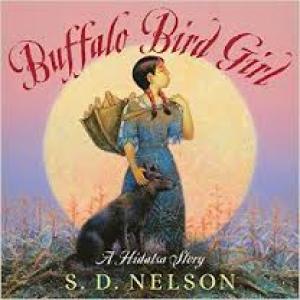
Product Description: This fascinating picture book biography tells the childhood story of Buffalo Bird Woman, a Hidatsa Indian born around 1839. Through her true story, readers will learn what it was like to be part of this Native American community that lived along the Missouri River in the Dakotas, a society that depended more on agriculture for food and survival than on hunting. Using as a resource the works of Gilbert L. Wilson, who met Buffalo Bird Woman and transcribed her life's story in the early 20th century, award-winning author-illustrator S. D.
Buffalo Song
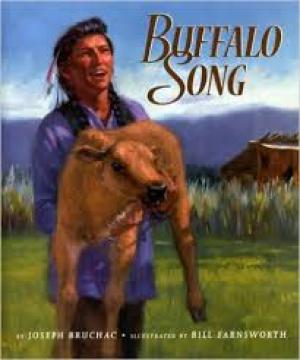
For thousands of years, massive herds of buffalo roamed across much of North America, but by the 1870s, fewer than fifteen hundred animals remained. With reverent care, Walking Coyote and his family endeavored to bring back the buffalo herds, one magnificent creature at a time. Here is the inspiring story of the first efforts to save the buffalo, an animal sacred to Native Americans and a powerful symbol of the American West.
Charles Albert Bender: National Hall of Fame Pitcher
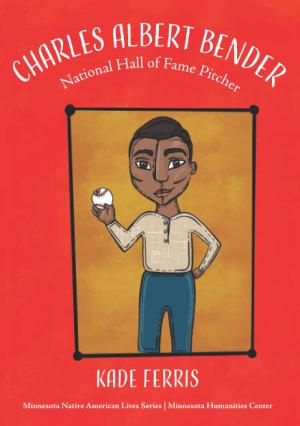
Charles Albert Bender invented the slider. He was a World Series-winning pitcher and the first Minnesotan inducted into the National Baseball Hall of Fame. He grew up poor on a farm where he worked in the fields. He lived far away from his home and family while attending an Indian boarding school in Pennsylvania. Charles Albert Bender worked hard all his life and defined his success by the amount of effort he put into something. Minnesota Native American Lives Series.
Crazy Horse's Vision

Product Description: Joseph Bruchac tells the compelling story of how a young boy named Curly seeks a vision in the hope of saving his people — and grows into the brave and fierce warrior Crazy Horse. Sioux artist S. D. Nelson's paintings, in the traditional ledger style of the Plains Indians, evokes the drama and the tragedy of this important American figure.
Ella Cara Deloria: Dakota Language Protector
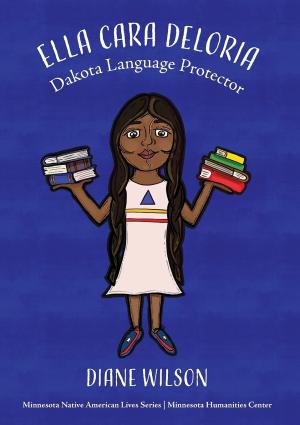
Ella Cara Deloria loved to listen to her family tell stories in the Dakota language. She recorded many American Indian peoples' stories and languages and shared them with everyone. She helped protect her people's language for future generations. She also wrote many stories of her own. Her story is a Minnesota Native American life. Minnesota Native American Lives Series.
George Crum and the Saratoga Chip
Product Description: Growing up in the 1830s in Saratoga Springs, New York, isn't easy for George Crum. Picked on at school because of the color of his skin, George escapes into his favorite pastimes — hunting and fishing. Soon George learns to cook too, and as a young man he lands a job as chef at the fancy Moon's Lake House. George loves his work, except for the fussy customers, who are always complaining! One hot day George's patience boils over, and he cooks up a potato dish so unique it changes his life forever.
Hiawatha and the Peacemaker
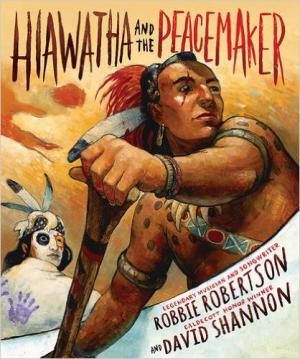
Born of Mohawk and Cayuga descent, musical icon Robbie Robertson learned the story of Hiawatha and his spiritual guide, the Peacemaker, as part of the Iroquois oral tradition. Now he shares the same gift of storytelling with a new generation. Hiawatha was a strong and articulate Mohawk who was chosen to translate the Peacemaker’s message of unity for the five warring Iroquois nations during the 14th century.
In the Footsteps of Crazy Horse
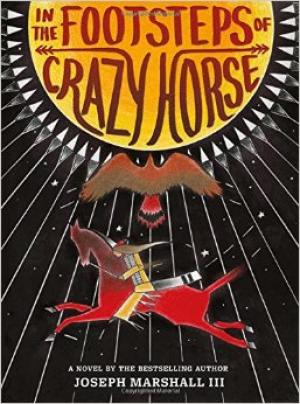
Jimmy McClean is a Lakota boy—though you wouldn’t guess it by his name: his father is part white and part Lakota, and his mother is Lakota. When he embarks on a journey with his grandfather, Nyles High Eagle, he learns more and more about his Lakota heritage—in particular, the story of Crazy Horse, one of the most important figures in Lakota and American history.
Indian Heroes and Great Chieftains
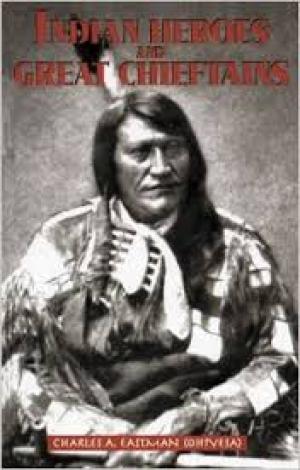
This collection provides biographical sketches of 15 great Indian leaders, most Sioux; tracing their historical importance to both white and Native peoples. While students may turn to this for supplemental reading, many an adult will find this a fine refresher course on key Native leaders. — Midwest Book Review
Jim Thorpe's Bright Path
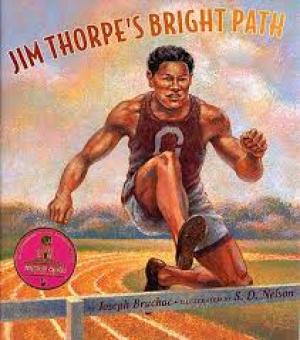
Product Description: This biography portrays the childhood and school years of the immensely talented Native American athlete, Jim Thorpe (1887—1953). Born in Oklahoma, Thorpe spent his first years exploring the outdoors with his father and twin brother, Charlie. At age six, the boys were sent to an Indian boarding school, which Jim hated. He struggled academically, and his only outlet was sports.
Just Like Me: Stories and Self-Portraits by Fourteen Artists
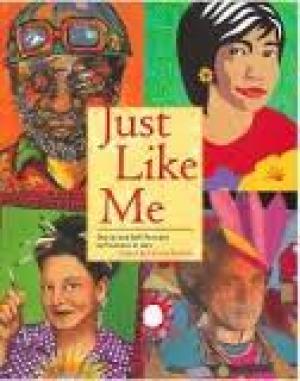
Product Description: This remarkable collection highlights the art and inspirational paths of 14 outstanding artists who, over the course of 20 years, have shared their art and lives with children. Each spread comprises a self-portrait, as well as the artist's personal story and reflections on what their art means to them. Artists include George Littlechild, Maya Christina Gonzalez, Enrique Chagoya, Rodolfo Morales, Tomie Arai, and Hideo Yoshida.
Keeping the Rope Straight: Annie Dodge Wauneka's Life of Service to the Navajo
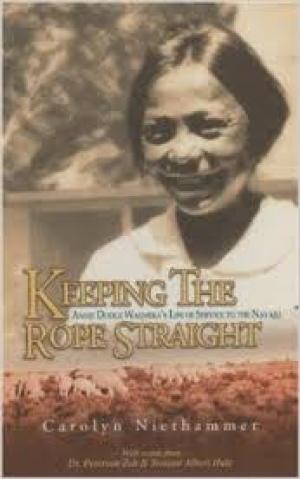
Annie Wauneka devoted her life to helping her people. Inspired by the example of her father, Annie immersed herself in tribal politics and became a leader in the battle against tuberculosis. Annie melded traditional Diné (Navajo) culture with the modern world and brought about unprecedented improvements in the healthcare and education available to her people. Her years of service earned her the Presidential Medal of Freedom and the title "Our Legendary Mother" from the Diné Nation.
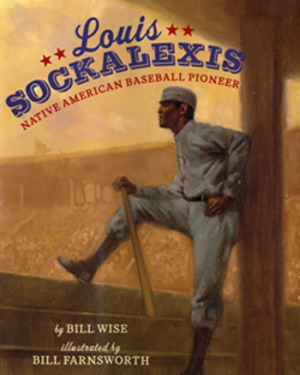
Louis Sockalexis: Native American Baseball Pioneer
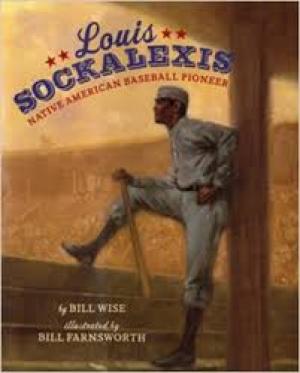
On a Maine summer day in 1884, twelve-year-old Penobscot Indian Louis Sockalexis first fell in love with baseball. As he grew up, Louis honed his skills and dreamed of one day joining a major league team. Louis encountered opposition at every turn, from the jeers of teammates and the taunts of spectators to the disapproval of his father. With determination, courage, and quiet dignity, Louis Sockalexis smashed racial barriers and home runs, leaving an indelible mark on America's favorite sport.
Mission to Space

Astronaut John Herrington shares his passion for space travel and his Chickasaw heritage as he gives children a glimpse into his astronaut training at NASA and his mission to the International Space Station. Learn what it takes to train for space flight, see the tasks he completed in space, and join him on his spacewalk 220 miles above the earth. This unique children s book is illustrated with photos from Herrington's training and space travel and includes an English-to-Chickasaw vocabulary list with space-related terms.
Native Men of Courage
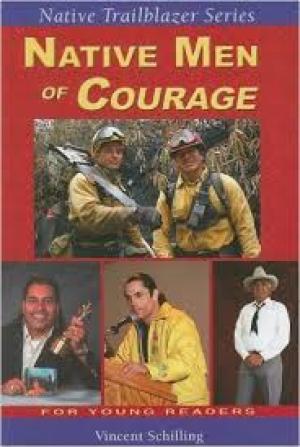
Native Men of Courage profiles ten outstanding leaders in the Native community. Each chapter presents ordinary individuals who overcame personal challenges and achieved extraordinary accomplishments. Features include Golden Eagle Hotshots, a firefighting squad; U.S. Senator Ben Nighthorse Campbell; and aboriginal surgeon Stanley Vollant.
Native Women of Courage
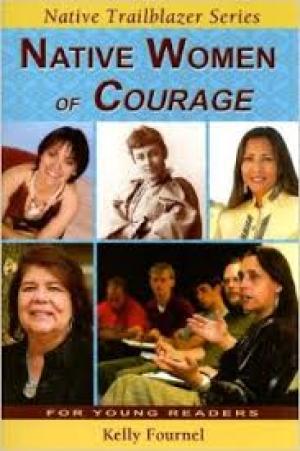
Product Description: Native Women of Courage profiles ten outstanding women leaders in the Native community. All of these successful, trailblazing women are stellar role models who have raised the profile of indigenous culture in North America. From heroines of the past to women making history today, this exciting work of non-fiction reminds readers of the extraordinary contributions of Native American women to our daily lives and to our country's social fabric.
Notable Native People: 50 Indigenous Leaders, Dreamers, and Changemakers from Past and Present
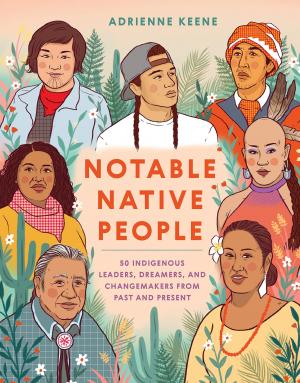
Celebrate the lives, stories, and contributions of Indigenous artists, activists, scientists, athletes, and other changemakers in this beautifully illustrated collection. From luminaries of the past, like nineteenth-century sculptor Edmonia Lewis—the first Black and Native American female artist to achieve international fame—to contemporary figures like linguist jessie little doe baird, who revived the Wampanoag language, Notable Native People highlights the vital impact Indigenous dreamers and leaders have made on the world.
Peggy Flanagan: Ogimaa Kwe, Lieutenant Governor

Peggy Flanagan is the Lieutenant Governor of Minnesota. This is the second-highest office in the state. She is the first Native woman to hold such a high elected statewide office in the United States. Her whole life she knew that the school system doesn't tell American Indian stories in a true way. Peggy is working hard to change how Native peoples' stories are told and to make life better for all Minnesotans. Minnesota Native American Life Series.
Quiet Hero: The Ira Hayes Story
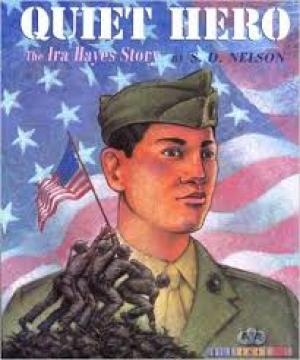
Ira Hayes, a member of the Pima tribe, was one of the Marines who raised the flag on Iwo Jima, catapulting him to celebrity status. His life became a struggle against fame and then alcoholism, ending when he was only 32 years old. This picture book biography features evocative paintings and concluding with additional factual information and photographs.
Remember Me: Tomah Joseph's Gift to Franklin Roosevelt

Franklin Delano Roosevelt joyfully spent his boyhood summers on Campobello Island. It was there that he met Tomah Joseph, a Passamaquoddy elder and former chief who made his living as a guide, birchbark canoe builder, and basketmaker. Authors Soctomah and Flahive imagine the relationship that developed between these two as Tomah Joseph taught young Franklin how to canoe and shared some of the stories and culture of his people.
Rock and Roll Highway: The Robbie Robertson Story
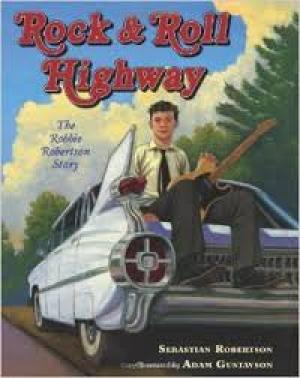
Canadian guitarist and songwriter Robbie Robertson is known mainly for his central role in the musical group The Band. But how did he become one of Rolling Stone's top 100 guitarists of all time? Written by his son, Sebastian, this is the story of a rock-and-roll legend's journey through music, beginning with the songs and stories he learned from his mother's family as a child on a Six Nations reservation north of Toronto.
Sequoyah: The Cherokee Man Who Gave His People Writing
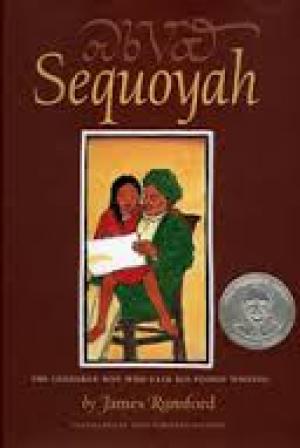
The story of Sequoyah is the tale of an ordinary man with an extraordinary idea — to create a writing system for the Cherokee Indians and turn his people into a nation of readers and writers. Sequoyah knew no English and had no idea how to capture speech on paper. But slowly and painstakingly, ignoring the scorn of his neighbors and friends, he worked out a system that surprised the Cherokee Nation — and the world of the 1820s — with its beauty and simplicity.
Sharice's Big Voice: A Native Kid Becomes a Congresswoman

When Sharice Davids was young, she never thought she’d be in Congress. And she never thought she’d be one of the first Native American women in Congress. During her campaign, she heard from a lot of doubters. They said she couldn’t win because of how she looked, who she loved, and where she came from. But everyone’s path looks different and everyone’s path has obstacles.
Sitting Bull: Lakota Warrior and Defender of His People

"Sitting Bull witnessed great changes in the lives of Native Americans during his lifetime (1831–90). Nelson, an enrolled member of the Standing Rock Sioux Tribe in the Dakotas, presents Sitting Bull's life as an entry point into that period of history. A detailed time line and author's note reflect extensive research and a depth of understanding about the topic.
Sky Dancers
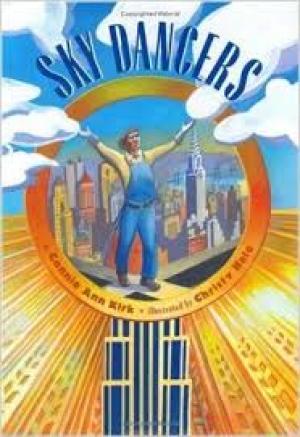
"In her first work of fiction for children, Kirk introduces the generations-old connection between the Mohawk people and steelworking. John Cloud, who lives on a reservation, misses his father and uncle during their weeks working construction sites in Manhattan. John's first visit to the city brings both strange sights ('There were traffic lights where John thought trees should be') and deepening pride when he witnesses his father's agile figure high atop the incomplete Empire State Building." — Booklist
Tallchief: America's Prima Ballerina
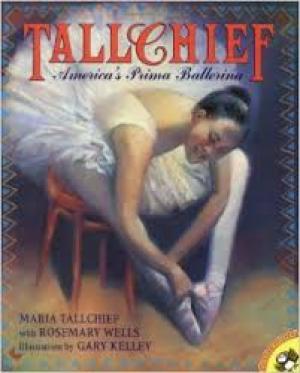
Maria Tallchief shares the story of her childhood and path to becoming America's first prima ballerina. Growing up on the Osage Indian reservation, Maria was a gifted pianist and dancer, but at the age of twelve, her father told her that she must choose between dance and music. Maria chose ballet, changing the course of her life and the face of classical ballet in America.
The Unbreakable Code
John, a young Diné (Navajo), is frightened to leave his lifelong home on the reservation and move to Minnesota with his mother and new stepfather. The boy's grandfather assures him he'll be all right since he has an "unbreakable code," the Diné language. The man goes on to tell the story of how he and other Dinés were recruited by the Marines and developed a message code based on their native language that helped the U.S. in the Pacific during World War II. — School Library Journal
We Are Water Protectors
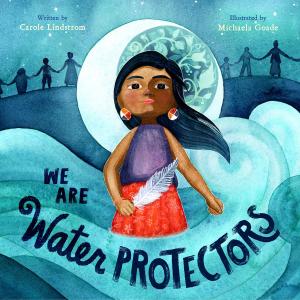
Inspired by the many Indigenous-led movements across North America, Carole Lindstrom's bold and lyrical picture book We Are Water Protectors issues an urgent rallying cry to safeguarding the Earth’s water from harm and corruption.
Water is the first medicine.
It affects and connects us all . . .
When a black snake threatens to destroy the Earth
And poison her people’s water, one young water protector
Takes a stand to defend Earth’s most sacred resource.


Multicultural Literature
See more great related resources and videos in our Multicultural Literature section!