
Subscribe to Growing Readers!
Have Growing Readers delivered each month right to your inbox! (In English & Spanish) Sign up here >
Summer is a fun season! It's full of interesting bugs, games, and activities. These may lead to lots of questions from your kids:
- How do fireflies light up?
- Where do all the thunderstorms come from?
- Who made the rules for baseball?
- Why does it stay light for so long?
- How do you make ice cream?
- Where do the colors in fireworks come from?
- What happens if I swallow a watermelon seed?
Grab hold of one of your child's questions and start a journey of discovery together!
- Make regular visits to the library to find books, magazines, and movies on the topic your child is interested in. Look for related fiction as well as non-fiction.
- Ask questions as you read together or when your independent reader finishes a book. Ask your child to tell you something new or surprising he learned, or to read a section that was full of interesting words.
- Help your child learn the basics of Internet research, at home or at the library. Bookmark a few kid-friendly, educational websites and guide him through simple searches. Look at the American Library Association's Great Websites for Kids page for ideas.
- Check out the summer programming schedule on your local public television station or educational shows on cable to see if there are shows related to your child's new interest.
- Seek out free or inexpensive resources in your community: parks and recreation center programs, a community garden or farmer's market, museums (many have kids-get-in-free days), and neighborhood interest groups like the Stargazers Club — or start your own interest group! Taking a field trip together and having a hands-on experience can really add to what you have been learning from books and movies.
- Keep a record of what you learn together — it's is a great way to engage young learners, provide writing practice, and help kids retain new knowledge. Start a journal, create a scrapbook, or send a handmade postcard to family or friends.
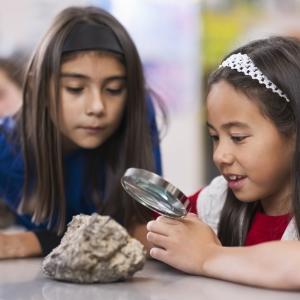
- Invite your child to talk with family and friends about her new interest. Maybe your child never knew that grandpa collects rocks, too, and has a wonderful collection and stories to share. Encouraging kids to share with others gives them a chance to have some fun taking on the role of teacher!
- Download this article as a PDF.




Add new comment