ELL Basics

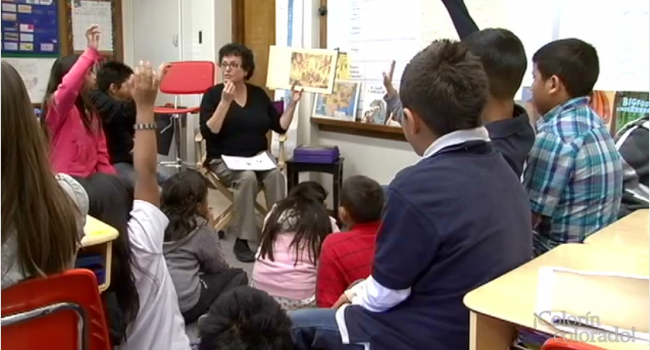
English language learners are a diverse group of students, with different language, academic, and social-emotional needs. Students who speak the same language or have similar levels of language proficiency may need very different kinds of support to succeed in the classroom.
Learn more about the growing ELL population around the country from these materials, as well as some of the special populations that have unique needs.
What You'll Find in This Section

The first year of working with ELLs can be full of challenges. Fortunately, there are a number of resources to help! Colorín Colorado has compiled this list to help new ELL teachers navigate their experiences in the classroom. These resources may also be helpful for veteran teachers who are new to teaching ELLs.
New to Teaching ELLs?

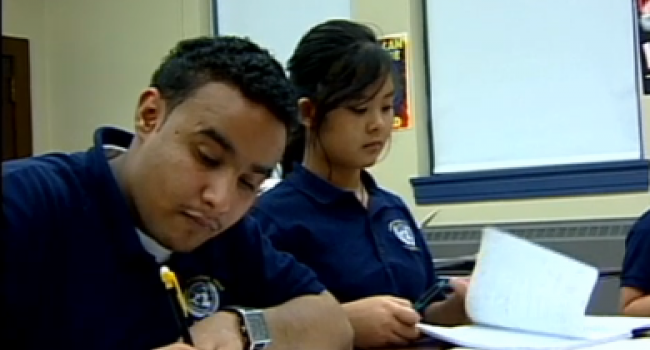
In your work with English language learners (ELLs), you may meet students who have unique social, emotional, and academic needs based on their prior experiences. Resources for working with special populations such as refugees, migrants, students with interrupted education, newcomer immigrants, unaccompanied children, and internationally adopted students follow below.

These resources for English Language Learners (ELLs) from Colorín Colorado are age-specific and are organized by grade. Each section contains a variety of resources, including articles, videos, webcasts, tip sheets, and recommended websites.
ELL Resources by State
 The following pages contain links to statewide agencies, resources, and organizations focused on English language learners (ELLs).

There are a number of laws and guidelines related to the education of English language learners (ELLs) at the federal, state, and local level. This section includes an overview of those laws, as well as topics such as important court cases impacting ELLs and current issues in the news today.

Serving and Supporting Immigrant Students: Information for Schools
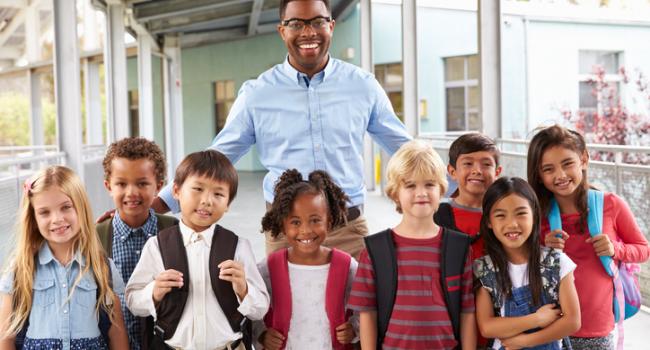
These resources outline what schools need to know about serving students who are immigrants or children of immigrants. Topics include students' legal rights, social-emotional support, and how immigration policies impact families and schools.
Special Education and English Language Learners

Learn more about how schools and families can collaborate to ensure that ELLs, including those with special needs, have the appropriate support and services to meet their unique needs.
Resource Library