
Using Cognates with ELLs

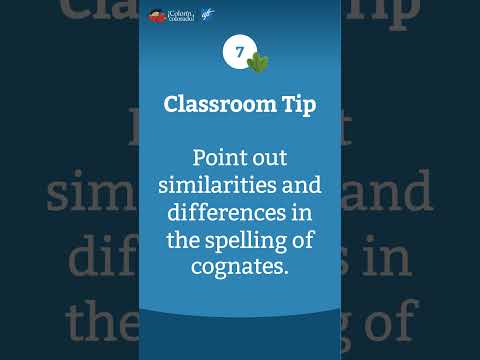
Cognates are words in two languages that share a similar meaning, spelling, and pronunciation, such as 'information' in English and 'información' in Spanish. While English may share very few cognates with languages that use a different written system, 30-40% of all words in English have a related word in Spanish. For Spanish-speaking ELLs, cognates are an obvious bridge to the English language and are particularly common in content areas such as math, science, and social studies.
These resources offer ideas on how to use cognates in the classroom and provide examples of English / Spanish cognates.
Featured Articles
- Using Cognates to Develop Comprehension in English
- Teaching ELLs Online: How to Develop Students' Language Skills
- Capitalizing on Similarities and Differences between Spanish and English
Related Video





Guides and Toolkits


Most Popular




ELL News
- How Schools Can Better Support Older English LearnersEducation Week| September 25, 2026
- Celebrating Batchelder Winner Azul López’s ‘Croco’ and Latin American Children’s LiteratureSchool Library Journal| September 25, 2026
- How to Determine a Multilingual Student’s Proficiency With Academic EnglishEdutopia| September 25, 2026
- Can Schools Trust AI to Translate for Non-English-Speaking Parents?Education Week| September 25, 2026