Teachers who work with English as a Second Language learners will find ESL/ESOL/ELL/EFL reading/writing skill-building children's books, stories, activities, ideas, strategies to help PreK-3, 4-8, and 9-12 students learn to read.
Parent Tips
As a parent, you are the most important teacher your child will ever have! The articles below will give you some great ideas on how you can support your child's learning, both at home and at school. Be sure to explore the For Families section for more excellent ideas!
This section contains 67 articles.
Sort by: | Date | Title |
Display: | Summaries | Titles only |
Summer Reading Resources for Parents
School's over, but that doesn't mean that kids need to stop learning or reading! Summer is a great time for kids to read what they enjoy and to learn in new kinds of environments. Learn more from Colorín Colorado's summer reading resources!
Magazines can be a wonderful way to motivate children to read. Colorín Colorado has received a number of requests for recommendations of Spanish-language children's magazines from teachers and parents. We are pleased to report that we have found an excellent publication that we can enthusiastically recommend, and that parents and children alike are sure to enjoy: IGUANA Magazine.
The summer is a wonderful time for children to read what they most enjoy, to learn new things, and to have fun. Colorín Colorado has compiled a list of summer reading tips for parents to get you started!
Getting Your Children Excited About the Library
Helping your children to enjoy reading is one of the most important things you can do as a parent and well worth the investment of your time and energy. It's important to remember that you can give your children this kind of experience even if you don't have a lot of books in your home. Your local public library has an abundance of books, plus many other valuable resources. This article offers some ideas for ways to get kids excited about the library.
Library Services for Children with Special Needs
Libraries offer a wide range of services for individuals with special needs. This article details some of the services that may be available for children and adults with learning or intellectual disabilities, who are blind or deaf, and gifted and talented children. If you aren't sure what your library offers, ask the librarian for assistance.
More Than Books at the Library
In addition to a wealth of books, your library most likely will have tapes and CDs of books, musical CDs, movies, computers that you can use, and many more resources. You also might find storytelling programs, books in languages other than English, or programs to help adults learn English or improve their reading.
Library Services For School-Aged Children
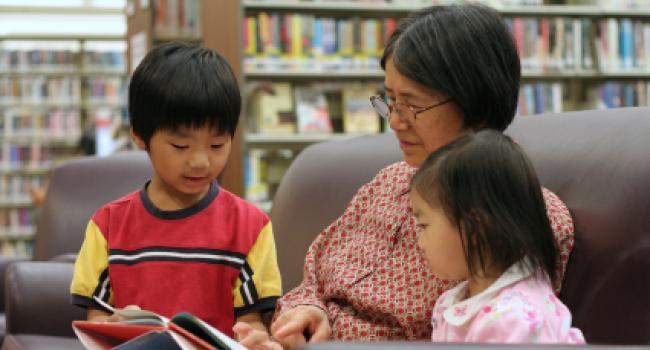
Libraries take on another important dimension for children beginning school. There are special programs in areas such as summer readings, author visits, and creative writing. In addition, the library is a place to find information and help with schoolwork. Visit your local public library to see what services and programs are available for your children.
Library Services for Babies, Toddlers, and Preschoolers
As a parent, you are your child's first and most important teacher. Without a doubt, reading with children spells success for early literacy. Taking your children to the library often will help them develop an enjoyment and respect of books from an early age. As soon as you can, it is a good idea to include children — even toddlers — in weekly trips to the library. This articles describes some library resources available for young children.
What to Expect When You Visit the Library
Libraries offer books for people of ages, and much, much more — they are places of learning and discovery for everyone. The best way to find out is to visit your community library and see what's available.
Library Services for Teenagers
Many libraries offer services for teenagers, providing information and activities of interest to teens in the community. Just being certain that teenagers know what kinds of programs are available may be the best help you can give — that, along with setting the example of visiting the library and reading yourself.
It's never too early to read to your baby. As soon as your baby is born, he or she starts learning. Just by talking to, playing with, and caring for your baby every day, you help your baby develop language skills necessary to become a reader. By reading with your baby, you foster a love of books and reading right from the start. The tips below offer some fun ways you can help your child become a happy and confident reader. Try a new tip each week. See what works best for your child.
Being a toddler is all about action. Encourage continued language development and interest in books and reading by keeping things lively and engaging. Everyday experiences are full of opportunities to engage in conversation and develop language skills. The tips below offer some fun ways you can help your child become a happy and confident reader. Try a new tip each week. See what works best for your child.
No Child Left Behind: Eight Terms Parents Should Know
This article, adapted from the U.S. Department of Education, defines eight terms central to the No Child Left Behind Act.
No Child Left Behind: Frequently Asked Questions About Reading
The No Child Left Behind Act (NCLB) has had a major impact on the American education system since its creation in 2001. This law requires that students are evaluated each year to measure their progress in areas including reading and mathematics. This article discusses the reasons that improved reading achievement plays such an important part in NCLB, and offers an introduction to NCLB's Reading First program.
Is my child ready to enter kindergarten?
In the United States, the expectations of children who enter kindergarten can vary from school to school. There are, however, some general social and educational guidelines about the skills children should develop by the time they start a kindergarten program, which are listed in this article.
Parent Tips: How to Help Your Child Prepare for Standardized Tests
Standardized tests currently play a major role in the United States public schools. Your child may take one or more standardized tests during the school year, and your child's teacher may spend class time on test preparation throughout the year. As a parent, there are a number of ways that you can support your child before and after taking a standardized test, as well as a number of ways you can support your child's learning habits on a daily basis that will help her be more prepared when it's time to be tested.
Helping Young Children Develop Strong Writing Skills
Writing is an important part of our daily lives, but it is a difficult skill to learn and master. By getting a head start with some simple activities, though, you can help your child begin to develop her writing skills at an early age. By doing so you will be contributing to her future success as a student and as an adult while teaching her how to express herself.
In this article, we provide some of the reasons that writing is so important in our lives, as well as a list of suggestions that will help your child become a stronger writer.
Tips for Parents of Struggling Adolescent Writers
By the time American students graduate from high school, they are expected to have learned how to write effectively for a variety of purposes, from writing letters and stories to essays and research reports. Many middle and high school students dislike writing, however, and students who are learning English as a second language may have particular difficulty with writing. In this article we will discuss some of the reasons that older students may want to avoid writing, as well as some ways that you can help your teen become a better writer.
One of the most important gifts you can give to your child is the gift of reading — whether it’s giving him/her books and reading games during the holiday season or sitting down and reading together each night before bedtime. This article features ideas about how to give the gift of reading to both younger and older children this holiday season and all year round.
Why Reading to Your Kids in Spanish Will Help Them Become Better Readers
Many parents are hesitant to read to their children in Spanish because they are afraid that it will confuse their children as they try to learn English. In fact, research shows that the opposite is true — reading to a child in his first language will make it easier for him to learn to read in his second language, and the benefits are even greater if a child learns to read in his first language. Read more about these benefits, as well as suggestions for ways to encourage your child’s Spanish-language literacy skills in at home!
I love your site. I am an ESOL teacher and can't wait to share this site with other educators.
~ Brenda G.