
Traditional Tales: American Indian and Alaska Native Heritage
Why does the wind whistle through the canyons? Who are the Star People? What mischief is Raven causing this time? Young readers will enjoy these traditional tales and adaptations from Native lore.
Other Resources
Find more American Indian/Alaska Native (AIAN) titles through:
- Colorín Colorado's AIAN Booklists and Book Finder
- American Indian Youth Literature Award
- Indigenous Reads Rising (We Need Diverse Books)
- Native Children's and Young Adult Books and Resources (Cynthia Leitich Smith)
- American Indians in Children's Literature (Dr. Debbie Reese)
A Man Called Raven
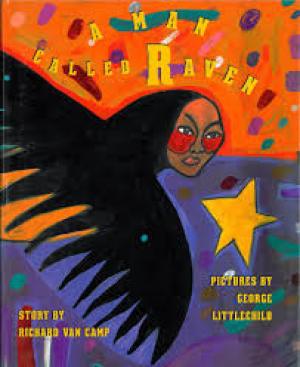
When Chris and Toby Greyeyes find a raven in the garage, they try to trap it and hurt it with hockey sticks. To them, ravens are just a nuisance because they spread garbage all over the street — or so they think, until a mysterious man who smells like pine needles enters their lives and teaches them his story of the raven. Set in the Northwest Territories of Canada, A Man Called Raven draws from the animal legends and folklore of the Dogrib elders. — Midwest Book Review
Antelope Woman: An Apache Folktale
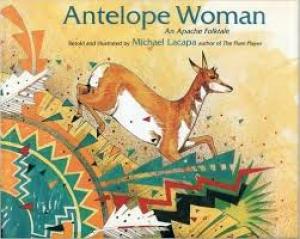
In a southwestern village, a resourceful young woman is intrigued by the appearance of a mysterious stranger — actually an antelope in human guise. The maiden marries him, but when they are shunned by her people, the couple chooses to return to his family and live out their lives as antelopes. Since then, the narrator explains, man has honored the antelope by never hunting or killing it. — Publishers Weekly
Beaver Steals Fire: A Salish Coyote Story
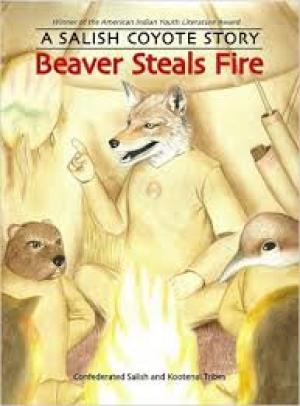
A long time ago, fire belonged only to the animals in the land above, not to those on the earth below. Curlew, keeper of the sky world, guarded fire and kept it from the earth. Coyote, however, devised a clever plan to steal fire, aided by Grizzly Bear, Wren, Snake, Frog, Eagle, and Beaver. Beaver Steals Fire is an ancient and powerful tale springing from the hearts and experiences of the Salish people of Montana.
Between Earth & Sky: Legends of Native American Sacred Places
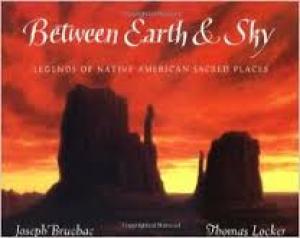
Bruchac frames 11 legends of Native American sacred places with a conversation between Little Turtle and his uncle, Old Bear, who says, "There are sacred places all around us…They are found in the East and in the North, in the South and in the West, as well as Above, Below, and the place Within."…The text is printed in stanzas, enhancing the image of prose poems. — School Library Journal
Brave Wolf and the Thunderbird
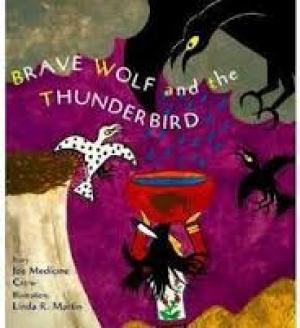
Product Description: In this traditional Crow story, a great big monster climbs out of the lake and up the cliff to steal the mother Thunderbird's young chicks each spring. This year she is determined to save them, but she needs human help. So she snatches up Brave Wolf while he is out hunting and carries him to her nest, where he comes up with a plan. (Tales of the People)
Cherokee Little People: The Secrets and Mysteries of the Yûñwi Tsunsdi'

Product Description: The Little People (Yûñwi Tsunsdi' ) of the Cherokee are small mystical, leprechaun-like beings of the Cherokee life and culture. From myth, legend, historical sources, and stories from personal experiences comes this exhaustive account of the Little People, including historical references and delightful stories of these magical and mysterious beings.
Coyote and the Sky: How the Sun, Moon, and Stars Began
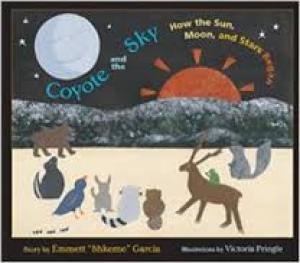
According to Santa Ana Pueblo legend, the animals' spirit Leader created the sun, moon, and stars by using woven yucca mats and hot coals. He selected certain animals to climb from their homes in the Third World up to the Fourth World, but Coyote was forbidden to accompany them because he was always causing trouble and stealing food from the others. Regardless of what he was told, Coyote refused to stay in the Third World. Coyote's punishment is a lesson in what happens to animals, or people, when they refuse to obey instructions.
Coyote in Love With a Star: Tales of the People
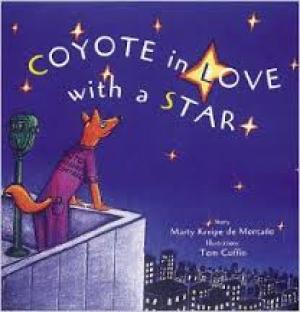
In this tale, Coyote leaves his home on a Potawatomi reservation on the Plains to find work in New York City. Once there, he falls in love with a star and leaves the Earth to dance with her. When he asks to return, she drops him. He lands in Central Park, making a big hole (the Reservoir), and his descendants howl at the night sky to scold her. — School Library Journal (Note: This story, featuring the World Trade Center, was written in 1998.)
Field Mouse Goes to War
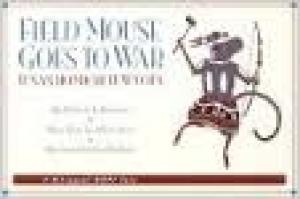
This traditional Hopi tale recounts the courage and cleverness of a tiny field mouse striving to protect the village from a mighty hawk who is stealing the chickens. It was originally published in 1944 by the Bureau of Indian Affairs, and the drawings are by Hopi artist Fred Kabotie. The book is in English and phonetic Hopi with a pronunciation guide.
Gluskabe and the Four Wishes
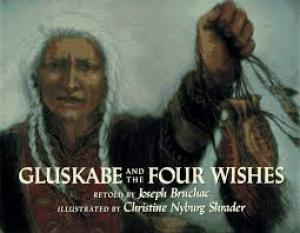
A retelling of a Native American folktale, enhanced by colorful pastel illustrations, chronicles the adventures of four Abenaki men who journey to Gluskabe, helper of the Great Spirit, to have their wishes granted.
Healer of the Water Monster

When Nathan goes to visit his grandma, Nali, at her mobile summer home on the Navajo reservation, he knows he’s in for a pretty uneventful summer, with no electricity or cell service. Still, he loves spending time with Nali and with his uncle Jet, though it’s clear when Jet arrives that he brings his problems with him. One night, while lost in the nearby desert, Nathan finds someone extraordinary: a Holy Being from the Navajo Creation Story — a Water Monster — in need of help. Now Nathan must summon all his courage to save his new friend.
How Chipmunk Got His Stripes
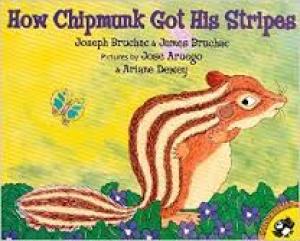
When Bear brags and Chipmunk teases, the results are an angry bear and a striped chipmunk. Animated language and colorful illustrations tell a porquoi story — a tale that explains — that's perfect for sharing aloud.
How Raven Stole the Sun (Tales of the People)

How Raven Stole The Sun is the latest addition to the Abbeville "Tales of the People" series of books for young readers, published in partnership with the Smithsonian National Museum of the American Indian. Felix Vigil's artwork is perfectly suited to Maria Williams retelling of a Tlingit tale she first heard from her father. Its the story of how the Raven transformed himself to bring light to what had been an earth shrouded in darkness.
Ice Man
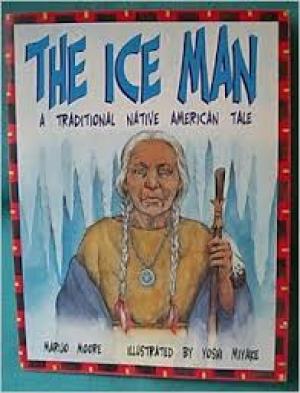
When an out-of-control fire threatens to burn their whole world, a Cherokee elder advises two young men to go to the top of the world and seek the aid of Ice Man. Because they give him an offering, he puts the great fire out — and creates a lake in its place. To this day, it is said, you can hear the embers beneath the lake, crackling and hissing, reminding everyone of the great fire. — Oyate
Keepers of the Earth: Native American Stories and Environmental Activities for Children
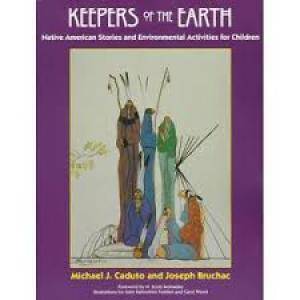
Product Description: The flagship book in the Keepers of the Earth series, this environmental classic teaches children respect and stewardship for the Earth and all living things. Joseph Bruchac's lyrical retellings set the stage for Michael Caduto's abundance of related activities. Beginning with Native American stories, this invaluable and time-honored resource provides readers with an abundance of hands-on activities that will inspire children to understand and appreciate Native American cultures and the Earth.
Legends of the Iroquois

This collection of familiar Iroquois stories, told by elder and tribal scholar Tehanetorens, is made unique by the fact that they are also told in pictographs. There is a short essay on picture writing, and many pages of translations of the symbols themselves, including those for each of the clans of the Six Nations. The non-pictograph illustrations, by Mohawk artist Kahionhes (John Fadden), expand the meaning and power of the stories. — Oyate
Pushing up the Sky: Seven Native American Plays for Children
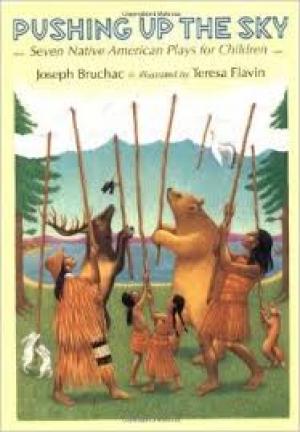
Bruchac adapts seven traditional tales from various tribes into plays for children. Each play is introduced with a brief tribal background, a list of characters, suggestions for props and scenery, and recommended costumes. Representing tribes from Bruchac's own Abenaki to the Cherokee, Tlingit, and Zuni, the plays are mostly pourquoi tales, explaining how mosquitos came into the world or why stars are visible at night. — Booklist
Raven and the Tide Lady

Raven and the Tide Lady is a children’s book based on ancient Northwest Coast Raven stories. In the tale, Raven fights with Tide Lady to bring low tide and allow humans to gather food. Illustrated by Tlingit artist Michaela Goade.
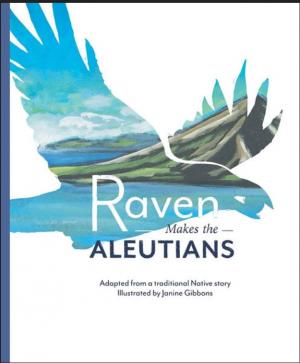
Raven Makes the Aleutians

Raven Makes the Aleutians is an award-winning children’s book based on ancient Northwest Coast Raven stories. In the tale, Raven’s arrogance leads to the creation of the Aleutian Chain.
The story was adapted for children by Tlingit writer Pauline Duncan from the works of the late Nora and Dick Dauenhauer, who transcribed the stories from Tlingit storytellers Kaasgéiy Susie James and Shaadaax' Robert Zuboff's oral accounts. Illustrated by Haida artist Janine Gibbons.
The Butterfly Dance
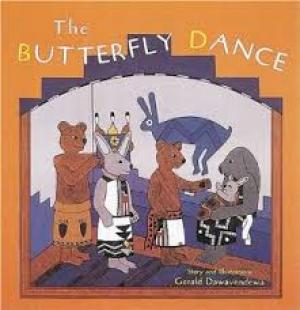
This story chronicles one important day seen through the eyes of a young Hopi girl named Sihumana, or "Flower Maiden", who is a member of the Rabbit Clan and winningly portrayed as a rabbit. After going with her grandfather to greet the sun and bless the day, Sihumana travels with her family to another village to take part in the traditional Butterfly Dance, performed late each summer in order to bring rain to the dry lands of the Southwest. (Tales of the People)
The First Strawberries: A Cherokee Story
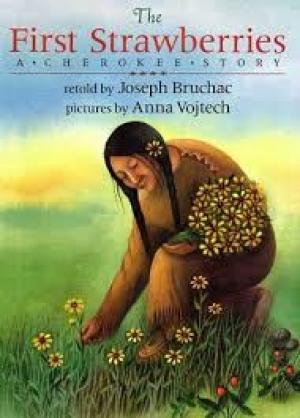
Seeing that man is sorry after arguing with his wife, Sun sends the first strawberries to the land. The sweet fruit slows the wife down, allowing her husband to catch up and apologize. To this day, strawberries remind people to be kind to each other. Rich illustrations add interesting details to this fluid telling of a traditional legend.
The Flute Player

Through a simple story line and easy, concrete language, Lacapa offers an Apache pourquoi folktale he remembers from his youth. The tale explains that the sound of wind echoing through the canyons comes from the flute of a young brave serenading his sweetheart. When the young man goes on his first hunt without telling her, she is sure she's been forgotten; she becomes ill and dies. Returning home, the boy learns of her death, and continues to play his flute at her grave. — School Library Journal
The Giant Bear: An Inuit Folktale

Product Description: One of the most terrifying creatures to be found in traditional Inuit stories is the nanurluk, a massive bear the size of an iceberg that lives under the sea ice. Its monstrous size and ice-covered fur make it an almost impenetrable foe. Jose Angutingunrik, a gifted storyteller and respected elder from Kugaaruk, Nunavut, brings to life a story of the great nanurluk that has been told in the Kugaaruk region for generations.
The Hunter's Promise
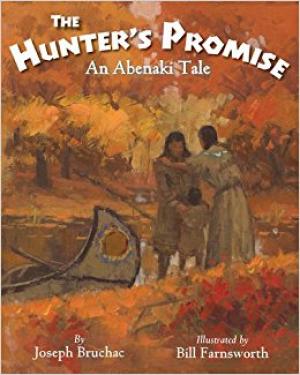
World-renowned storyteller Joseph Bruchac retells this traditional story of love, loyalty, trust, and magic, which can be found in various forms among many of the indigenous nations of the northeast, both Iroquoian and Algonquin. Join him and award-winning illustrator Bill Farnsworth, as they recount this ancient and unique Abenaki tale of keeping a promise to one's family and of the proper relationship of humans to the natural world.
The Legend Of Caribou Boy
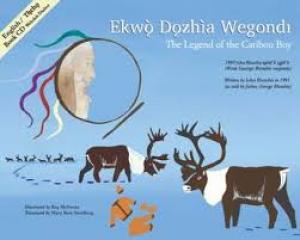
When a little boy, traveling with his parents and grandparents, has trouble sleeping at night, he realizes that the caribou spirit is so strong in him that he can no longer remain a human. But his connection to his human family is strong also, and so he gives them the gift of the caribou when they are hungry. John Blondin shares the story as told by his father, elder George Blondin (Dene). Bilingual English/Dogrib. — Oyate
The Milky Way: A Cherokee Tale
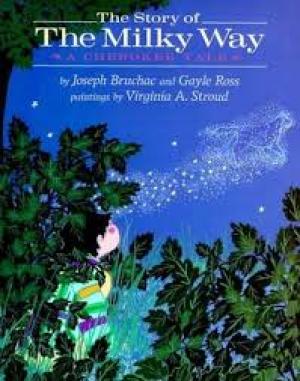
Have you ever wondered how the Milky Way came to be? According to a Cherokee legend, it started when an old couple learned that their corn was being stolen by a Great Spirit dog. To get away, the spirit dog jumps into the sky, spilling the corn. And we can still see the results today in the night sky.
The Origin of the Milky Way and Other Living Stories of the Cherokee
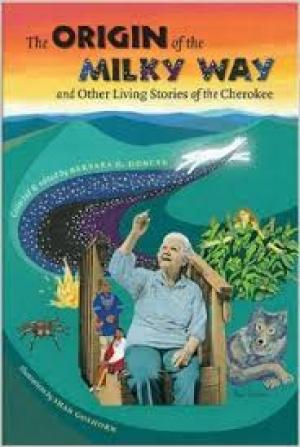
Cherokee people have lived in the Great Smoky Mountains for thousands of years telling stories to explain how things came to be, to pass on lessons about life, and to describe the mountains, animals, plants, and spirits around them. This collection of 26 stories is presented by members of the Eastern Band of Cherokee Indians in their own words; the stories appear in free-verse form, like poems on the page, so that if you read them aloud, you can hear the rhythm of the stories as they were originally told.
The Star People: A Lakota Story

"While exploring the land around their village, Sister Girl and Young Wolf stray too far. After narrowly escaping a roaring prairie fire, the siblings find themselves lost and frightened in the dark, open land until the Star People, 'the spirits of the Old Ones who once walked on the earth,' offer comfort and guidance home.
When the Chenoo Howls: Native American Tales of Terror
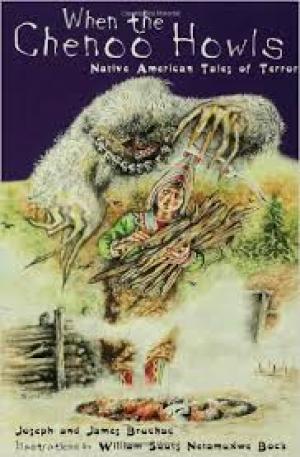
"An interesting alternative for children who love horror stories. These 12 tales from the Northeast Woodland Native American nations are based on legends and mythical creatures from eight tribes. The authors use their own styles to tell about a wide variety of monsters while remaining as close as possible to the traditions of their ancestors. They have set the stories from 'the very distant past to very recent times.' Now as in the past, these legends offer entertainment and instruction." — School Library Journal
When Turtle Grew Feathers: A Tale from the Choctaw Nation
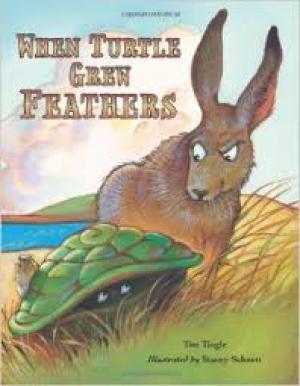
Product Description: Maybe you think you know the story of the big race between Rabbit and Turtle. Think again! In this story from the Choctaw People, Tim Tingle shows that it was not being slow and steady that won Turtle the big race — it was those feathers!!!
Wopila: A Giveaway
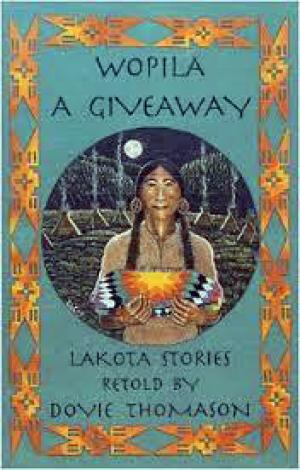
Product Description: This audio collection of traditional Lakota stories is a giveaway, a way of returning the gift of the stories preserved by Lakota elders and grandparents to pass on the traditions and perspectives of their people. These stories, usually told on winter evenings, are intended to teach proper behavior or a moral lesson. Storyteller Dovie Thomason has carefully selected seven timeless Lakota stories to teach and entertain youngsters and their parents.

Multicultural Literature
See more great related resources and videos in our Multicultural Literature section!