World War II: Asian Pacific American Perspectives
World War II turned the lives of children on both sides of the Pacific upside down, from Korean children adjusting to the Japanese occupation to Japanese-American children trying to understand why they were suddenly considered the enemy. Through stories both heartbreaking and inspiring, these books explore the impact of World War II on young Asians and Asian-Americans, as well as the ways in which friendship and forgiveness can help pave the way towards healing.
A Place Where Sunflowers Grow
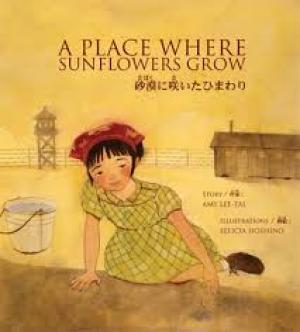
This book, based on experiences of the author's mother and grandparents, tells the story of a Japanese American family relocated to an internment camp in Utah. Even in the harsh landscape of the desert, a young girl is able to find beauty in unlikely places, and to re-establish her identity through art, by drawing what she remembers of her life before coming to the camp. Historical notes included. Bilingual English and Japanese.
Baseball Saved Us: 25th Anniversary Edition

During World War II, Japanese Americans were placed in internment camps. Isolated and bored, baseball became a life and soul-saving pastime which successfully brought very different people together. Darkly hued illustrations evoke the difficulty of the time, based on the author's family story. Spanish version available. This 25th Anniversary Edition features a revised cover and a new introduction from the author and illustrator.
Heroes
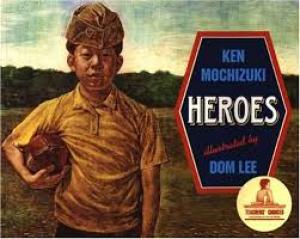
From the author of Baseball Saved Us comes an intergenerational story that describes how a Japanese-American family deals with the painful legacy of war. Set against the backdrop of the 1960s and talk of Vietnam, it offers a universal message of dignity and courage to anyone who feels they are different. Full-color illustrations.
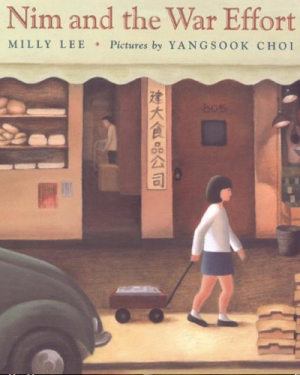
Nim and the War Effort
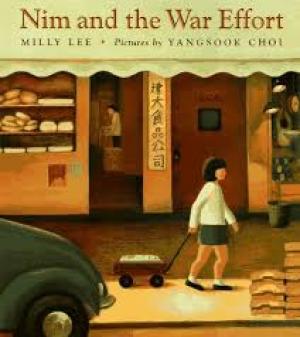
Nim, a young girl living in San Francisco's Chinatown during World War II, is determined to collect the tallest stack of newspapers to support her school's newspaper drive and the national ongoing war effort. The story and its evocative illustrations depict the cultural traditions and quiet determination of a Chinese American family trying to embrace their American identity while the country is at war with Japan.
Passage to Freedom: The Sugihara Story
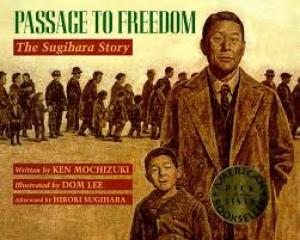
As a young boy, Hiroki Sugihara lived in Lithuania, where his father was a diplomat. One morning, the family woke up to find a crowd of people outside of the house. They were Jews from Poland looking for visas and safe passage to Japan. Despite the danger that he and his family would be in, Hiroki's father began writing visas for the refugees and continued for many days, saving thousands of lives — "Sugihara's survivors." This unforgettable story as remembered by Hiroki will resonate with readers for a long time to come.
Sadako

This is a picture book edition of Sadako and the Thousand Paper Cranes, meant for younger readers. It tells the story of a girl dying of leukemia as a result of the atomic bombing of Hiroshima.
So Far from the Bamboo Grove

In the final days of World War II, Koreans were determined to take back control of their country from the Japanese and end the suffering caused by the Japanese occupation. As an eleven-year-old girl living with her Japanese family in northern Korea, Yoko is suddenly fleeing for her life with her mother and older sister, Ko, trying to escape to Japan, a country Yoko hardly knows. Their journey is terrifying — and remarkable.
So Far from the Sea
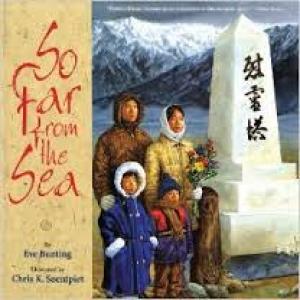
All the more moving in its restraint, this picture-book account of a fictional family reveals, with gentle dignity, a sad chapter in American history. Laura Iwasaki and her Japanese-American family will soon move from California to Boston, so they are making one last visit to Laura's grandfather's grave, which lies near the Sierra Nevada Mountains, so far from the sea he loved. Before World War II, he was a fisherman. Then, along with Laura's father, her grandmother, and 10,000 other Japanese Americans, he was sent to the Manzanar War Relocation Center.
Sylvia & Aki
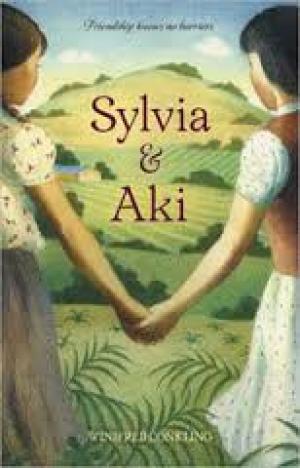
Product Description: Sylvia Mendez never expected to be at the center of a landmark legal battle; all she wanted was to enroll in school. Aki Munemitsu never expected to be relocated to a Japanese internment camp in the Arizona desert; all she wanted was to stay on her family farm and finish the school year. The two girls certainly never expected to know each other, until their lives intersected in Southern California during a time when their country changed forever. Based on a true story and interviews with the protagonists.
The Bracelet

Emi is filled with sadness as she prepares to leave her home for the internment camp where she and her fellow Japanese-Americans will be forced to live. Just before she leaves, her best friend Laurie brings her a special bracelet so that Emi will not forget her. When Emi loses the bracelet though in the crowds, she feels that has lost so much more and even more alone — until she realizes that maybe she doesn't need the bracelet to remember Laurie after all.
The Wakame Gatherers
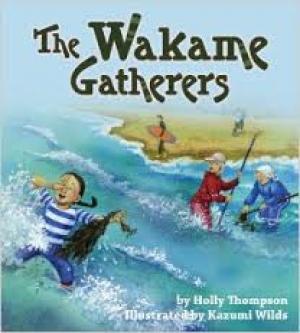
Nanami is nervous about translating for her American grandmother, Gram, and her Japanese grandmother, Baachan — especially when the conversation takes a turn towards World War II. As they collect wakame seaweed together, though, she soon realizes that the two wise women have even more in common than she imagined. This lovely tribute celebrates bicultural and bilingual children and the promise of peace.
When My Name Was Keoko
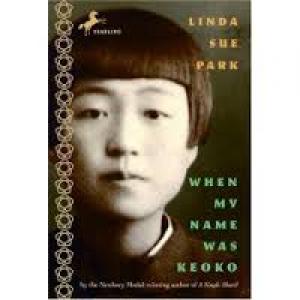
Siblings Sun-hee and Tae-yul take turns narrating this story of Japan's occupation of Korea during WWII. As the occupation intensifies, Koreans are forced to change their names and forbidden from speaking their language, and members of the Kim family struggle to retain their personal and cultural identities.
Multicultural Literature
See more great related resources and videos in our Multicultural Literature section!