Teachers who work with English as a Second Language learners will find ESL/ESOL/ELL/EFL reading/writing skill-building children's books, stories, activities, ideas, strategies to help PreK-3, 4-8, and 9-12 students learn to read.
ELL Strategies for Administrators
If you are looking for more information about serving your ELLs and you're not sure where to start, you've come to the right place! The titles on this booklist cover a wide range of essential topics for school leaders, from program design, instruction, and assessment to strategies for creating a culture of success and expanding family outreach.

Gottlieb and Nguyen have created an excellent guide to developing a comprehensive assessment framework that can be used across a wide variety of language education programs. They begin by describing how they developed what they refer to as the Balanced Assessment and Accountability System, Inclusive and Comprehensive (BASIC) and successfully implemented it in a large suburban school district in Illinois. Their goal was to design an assessment model that would meet external demands, such as those imposed by No Child Left Behind, while at the same time meeting classroom teachers' need for ongoing, curriculum-based assessment. The book includes worksheets to guide teachers and administrators through the process of developing an assessment framework, as well as chapters on how to use assessment data to inform decision making in dual language and bilingual classrooms.

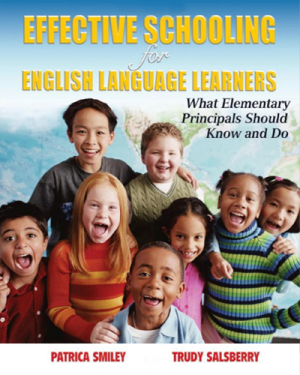
Product description: Organized around a series of "Critical Questions" and "Leadership Challenges," this book offers knowledge and expertise about the elementary principal's leadership role in: effective instructional strategies; student assessment; school climate; parent involvement; and other ways to improve the academic achievement of English Language learners. Note: This is book is out of print but used copies may be available online and excerpts are available through Google books.

Written in a user-friendly question and answer format, this outstanding guide compiles a number of questions and concerns from administrators around the country and provides concise answers written by more than 50 leading ELL experts and researchers. Major themes include policy and accountability requirements, the school-community connection, language acquisition, program development and implementation, assessment, and advocacy. Strongly recommended for pre-service study groups, professional development activities, and professional learning communities.

Dr. Wayne E. Wright offers a timely overview of the ELL field for educators and administrators that includes chapters about: ELL demographics; second-language theory; historical background; ELL policy at the federal, state, and local level; ELL assessment; language instruction; content-area instruction; primary language support; and technology in the classroom. Chapters tools such as guiding questions, activities, key terms, supporting documents, and exercises available on a companion website make this an essential resource for pre-service courses and professional development.

Betty J. Alford and Mary Catherine Niño present an informative guide that will provide administrators important insights on the structural and strategic changes needed to create an environment in which ELLs will succeed. Some of these approaches focus creating a culture of academic achievement for ELLs; others focus on building capacity and examining opportunities for school improvement while meeting the needs of ELLs. The authors provide detailed rubrics, tools, and lists of recommended resources/websites to supplement the content of each chapter. Excerpts from the first two chapters are available from Google books.

Learn how to help ELLs thrive in the classroom and school community from veteran educator Farin A. Houk. Written in a style that is thoughtful, compassionate, and easy to read, Houk offers numerous examples and specific strategies to assist school leaders (at the classroom, department, and administrative levels) develop a schoolwide plan for addressing ELLs' needs, allocating resources on behalf of ELLs, providing effective instruction, and becoming advocates at the district and local level. An excerpt from the chapter on assessment is available on the Heinemann website.

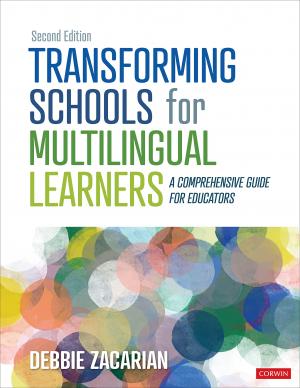
In this well-researched and helpful guide, ELL expert Debbie Zacarian presents administrators with a framework to help understand and meet their own ELL population's needs. Emphasizing policy and best practices, Dr. Zacarian outlines strategies for effective instruction and assessment, referring to numerous student examples throughout the text. Dr. Zacarian also offers in-depth information about serving ELLs with learning differences/disabilities, the importance of family engagement, and making appropriate data-driven decisions regarding ELLs. Excerpts from Chapters 1 and 2 are available from Google books.
Proceeds from the sale of books purchased at Amazon.com help support Colorín Colorado. Thank you!
Search Colorín Colorado
I love the reading information sheets. Thank you!
~ Mary G.