Teachers who work with English as a Second Language learners will find ESL/ESOL/ELL/EFL reading/writing skill-building children's books, stories, activities, ideas, strategies to help PreK-3, 4-8, and 9-12 students learn to read.
Middle & High School ELLs
These guides offer strategies for teaching reading and content area material to older ELLs. Many of the books also address social and emotional needs, as well as the responsibilities that many adolescent ELLs have at home.

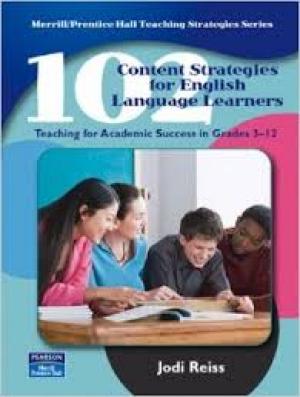
After a brief exploration of theoretical and cultural considerations when teaching content to ELLs, Jodi Reiss outlines 102 strategies that can be used in grades 3-12. Content and ELL educators alike will benefit from her approach of combining a conceptual framework with practical examples, as well as her advice on selecting core concepts when reviewing content standards.

This book, highly recommended by upper elementary, middle, and high school teachers, offers monthly activities, sample lessons, and word lists to help students become fluent decoders and spellers. Students will learn how to apply reading and writing strategies through age-appropriate strateges.

This guide provides excellent, detailed information about the day-to-day challenges that secondary ELLs & their teachers face, from mastering academic language and content to navigating graduation requirements. Filled with strategies for language, literacy, and content instruction, the book also provides helpful information about social and emotional needs of adolescent ELLs, effective guidance counseling, and supporting ELLs in the mainstream classroom.

This comprehensive discussion of content instruction for ELLs provides detailed information on planning and implementing effective instruction in math, science, social studies, and language arts. The authors include a thorough treatment of topics such as second language acquisition, academic literacy, and building academic language within the context of the content area classroom. The second part of the text devotes a separate chapter to each of the four content areas discussed, complete with lesson plans prepared by master teachers and mini-lessons for language development.

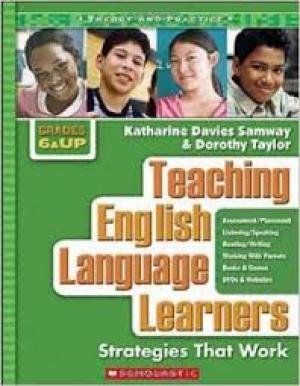
While the instructional material in this follow-up to the elementary guide written by Samway and Taylor contains a fair amount of overlapping questions and strategies with the first book, there are a number of sociocultural themes covered that are particular to older students. Relevant topics include gender roles, student responsibility, slang, and cultural conflicts.

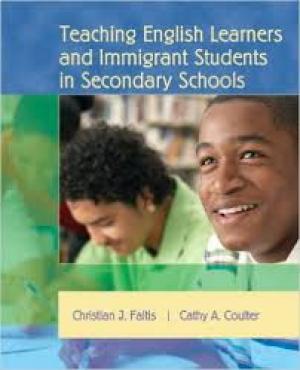
Product description: This practical classroom resource helps teachers address the needs of students with non-parallel schooling, and immigrant English learners who are two or more years below grade level when they enter secondary school. It addresses standards and high stakes testing, arguing that teachers need specialized knowledge to assess English learners in literacy and academic content.

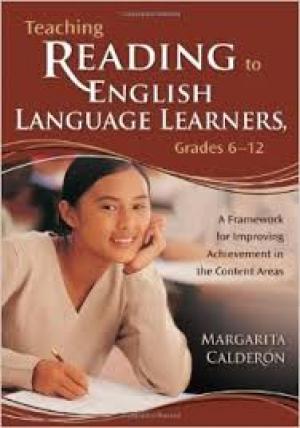
In this guide, literacy expert Margarita Calderón offers a number of strategies for teaching reading at the upper grades, including vocabulary development, comprehension, and reading in the content areas. She provides a number of hands-on examples throughout the text, and addresses the challenges of teaching basic literacy skills to older students.
Search Colorín Colorado
My new assignment this year requires me to teach Math and Science to the upper and lower grades as well as Spanish-S to first grade and kindergarten. When I read about Colorin Colorado in the UTD magazine I was very excited. Thank you so very much and I look forward to learning more about you.
~ Rosie F.