Teachers who work with English as a Second Language learners will find ESL/ESOL/ELL/EFL reading/writing skill-building children's books, stories, activities, ideas, strategies to help PreK-3, 4-8, and 9-12 students learn to read.
About ELLs: Guides for Instruction
These books offer a great introduction to working with ELLs. Each guide covers a number of helpful topics; themes throughout the guides include getting to know your students, teaching reading to ELLs, assessment, and working with parents.

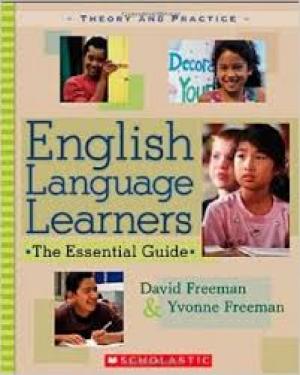
This book provides an excellent introduction to English language learners and effective ELL instruction. Topics include: getting to know your students, teaching language through content, and developing academic language. The guide, which refers to a number of specific policy and instruction models throughout the country, also ties strategies to multicultural children's books, and offers suggestions for further reading on a number of topics. English Language Learners: The Essential Guide will serve as a useful tool for school administrators and classroom teachers who are new to ELL instruction as well as to veteran teachers looking for new strategies to support their own methods.
Dr. Wayne E. Wright offers a timely overview of the ELL field for educators and administrators that includes chapters about: ELL demographics; second-language theory; historical background; ELL policy at the federal, state, and local level; ELL assessment; language instruction; content-area instruction; primary language support; and technology in the classroom. Chapters tools such as guiding questions, activities, key terms, supporting documents, and exercises available on a companion website make this an essential resource for pre-service courses and professional development.

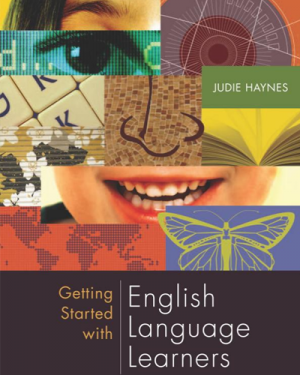
Whether you're a new teacher or a veteran with lots of experience working with English language learners, you'll find a wealth of useful information in this practical guide by Judie Haynes, an experienced ESL teacher and co-founder of the website EverythingESL. The book begins with a discussion of the stages of second language development and also covers such topics as working with newcomers, differentiating instruction for ELLs, and challenges related to content area instruction for ELLs. The real-life scenarios from actual classrooms are a highlight of this very useful classroom guide.

In this must-read guide, experts Nancy Cloud, Fred Genesee, and Else Hamayan lay out a research-based yet practical and accessible approach to reading and writing instruction for ELLs. Designed for ELL teachers, mainstream teachers, and reading specialists, the book offers an excellent foundation on what we know about literacy development in ELLs before offering numerous classroom strategies on topics such as: emergent literacy in a second language; helping ELLs become biliterate; academic language and literacy; connecting reading and writing; and assessment. The book is full of classroom examples, extra tips and research questions, recommended resources, and useful skill charts, presented by the authors in a thoughtful, comprehensive, and clear format.

This Fourth Edition of Peregoy & Boyle's text continues the strengths of the third with its comprehensiveness and accessibility, providing a wealth of practical strategies for promoting literacy and language development in English language learners (K-12). Unlike many texts in this field, Reading, Writing and Learning In ESL takes a unique approach by exploring contemporary language acquisition theory as it relates to instruction and providing suggestions and methods for motivating and involving ELL students.

Learn how to help ELLs thrive in the classroom and school community from veteran educator Farin A. Houk. Written in a style that is thoughtful, compassionate, and easy to read, Houk offers numerous examples and specific strategies to assist school leaders (at the classroom, department, and administrative levels) develop a schoolwide plan for addressing ELLs' needs, allocating resources on behalf of ELLs, providing effective instruction, and becoming advocates at the district and local level. An excerpt from the chapter on assessment is available on the Heinemann website.

Judie Haynes (creator of everythingESL.net) and Dr. Debbie Zacarian offers hands-on, practical strategies that educators can implement immediately to provide effective content instruction for ELLs. Chapters focus on topics such as creating engaging lesson plans, successful small group work activities, content vocabulary instruction, and strategies focused on writing, homework, and assessment. Appendices include guided terms for composing language objectives and a lesson modification worksheet that can be used to adapt lesson plans for ELL instruction.

This useful guide presents frequently asked questions from ELL educators, and then provides targeted strategies to address each question. Topics include sociocultural issues, listening, speaking, reading, writing, parent communication, and classroom management.

While the instructional material in this follow-up to the elementary guide written by Samway and Taylor contains a fair amount of overlapping questions and strategies with the first book, there are a number of sociocultural themes covered that are particular to older students. Relevant topics include gender roles, student responsibility, slang, and cultural conflicts.

This guide offers a broad overview and introduction to ELL instruction. Resources include graphic organizers, classroom strategies, and research summaries, as well as some California-specific material.

The newest edition of this helpful handbook presents a number of strategies for addressing daily challenges that both ESL and mainstream teachers face in the classroom, such as: How do I prepare for a new ESL student? How do I balance the needs of students at different reading levels? How do I manage difficult classroom behavior? A number of appendices and forms are included as well. An excerpt from the first chapter is available on the Portage & Main Press website.
Proceeds from the sale of books purchased at Amazon.com help support Colorín Colorado. Thank you!
Search Colorín Colorado
This is an invaluable resource for parents and bilingual educators, (especially) for those of us who want to maintain our culture.
~ Kenia R.