Student scenario for over-identification: Li
Dr. Debbie Zacarian shows how the steps a team of educators take when considering student needs can make a big difference in outcomes for an ELL.
Jump to navigation Jump to Content

Dr. Debbie Zacarian shows how the steps a team of educators take when considering student needs can make a big difference in outcomes for an ELL.
Dr. Nancy Cloud discusses the importance of learning more about ELLs' prior educational experiences.
Dr. Nancy Cloud talks about the importance of not assuming that ELLs' reading difficulties lie within the learner. See the complete interview in our Meet the Experts section.
Nancy talks about the unique roles of classrooms teachers, ESL specialists, and reading specialists in ELL literacy support, as well as ideas for how best to collaborate.
Lynn Shafer Willner discusses how the field of assessment accommodations, particularly for ELLs, is changing and offers strategies for using accommodations effectively with students.
Lynn Shafer Willner offers suggestions for how to adjust instructions for English language learners with disabilties, as well as specific strategies for students with dyslexia, dysgraphia, and auditory processing disorder.
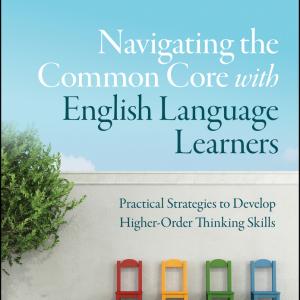
In this blog post, I’ll share an exciting, recently published new book to help ELLs access the CCSS. I’ll first provide you some background on the book, will then point out some of the book’s contents, and will close with unique features of the book that struck me when reading it.

This article written for Colorín Colorado suggests some ways to communicate productively with diverse families during the special education referral process and emphasizes family and student assets and strengths rather than deficits.