
Illustrated by:
It's Christmas Eve as Alfredito and his parents head for the train station to visit their relatives in Santiago.
Jump to navigation Jump to Content

It's Christmas Eve as Alfredito and his parents head for the train station to visit their relatives in Santiago.
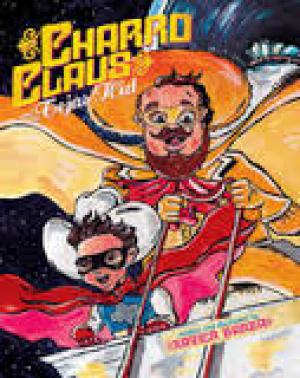
On Christmas Eve, Vicent discovers that his uncle, Tío Pancho, is actually Santa's Mexican cousin! Santa needs his help delivering presents along the border with Mexico and wants to know if Pancho is up for the challenge.
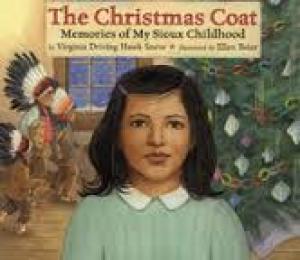
From Holiday House: Virginia's coat is too small and hardly protects her from the frigid South Dakata winter.
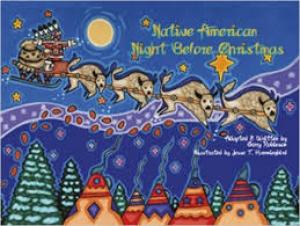
Clear Light Publications: An innovative retelling of the classic Christmas tale, Native American Night Before Christmas presents a whimsical look at a Native American Christmas Eve, when Old Red Shirt (the Indian Santa Claus) comes a-calling o
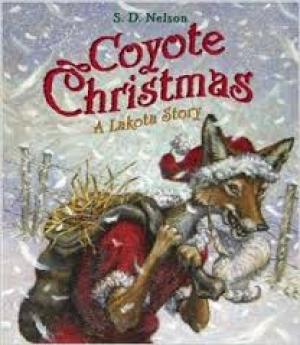
Harry N. Abrams: Sneaky Coyote is known in the Native American tradition as the Trickster. He knows that there's one character people can't refuse on Christmas Eve: Santa Claus!


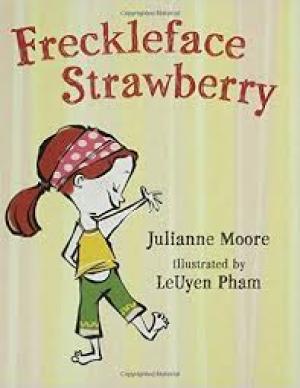
Typical in most ways but teased because of her freckles, 7-year-old Helen has red hair and lots of freckles unlike her family. When teased by other kids, she tries to get rid of her freckles in lots of ways but keeps her nickname instead.

Helen (a.k.a. "Freckleface") enjoys attending the early program at school and its outdoor play. Freckleface learns to overcome her fear of dodgeball and a big bully as she discovers her own strong inner resources.
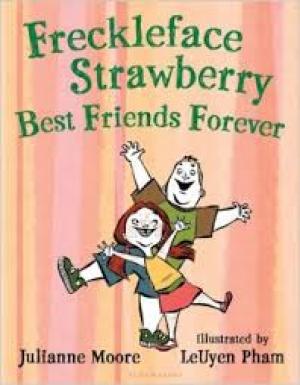
Freckleface is different because of her freckles, red hair and small size; Patrick is different, too. He's large and has been dubbed Windy Pants.