At school Jack just doesn't understand poetry or why he has to learn to write it.
Life isn't easy for sisters Amber and Essie. Their mother works long hours; their father's in prison; there's generally little to eat.
By the year 2000, nearly 40 percent of the children in America's classrooms will be African American, Hispanic, Asian American, or Native American, yet most of those children's teachers will be white.
This monumental book traces the complex issues involved with the intergenerational transmission of competence and unveils some astonishing predictors found in the simple interactions between parents and their 1- and 2-year-old children.
Recent school reform efforts have emphasized the need for higher literacy standards in schools across the country.
An important goal in every first-grade classroom is to get children reading – but how? This book examines current research on first-grade literacy instruction, and shows how it translates into what good teachers really do in the classroom.
This is a book about effective elementary literacy insturction, intended for the many constituencies who have a need to know about what works to develop readers in elementary school.
Through research gathered in the Home School Study of Language and Literacy Development, the authors share with you the relationship they've found between these critical, early interactions and children's kindergarten language and literacy skills.
Spanish words are incorporated naturally into this bright collection of poems that depict a day's activities in the Southwest. Vivid illustrations complement the verse to evoke the author's Mexican American background.
Illustrated by:
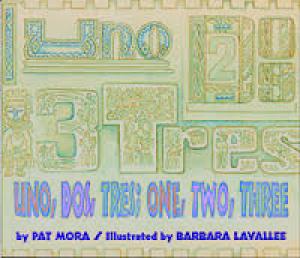
Two girls go to a Mexican market to prepare for the celebration of their mother's birthday. As they gather what they need from one to ten, their excitement mounts.