By: Eloise Greenfield
Illustrated by:
Recognizable sibling relationships and associated emotions come alive in dynamic poems and realistic watercolor illustrations. As irritating as brothers and sisters can be, "…I'd rather have them, than not."
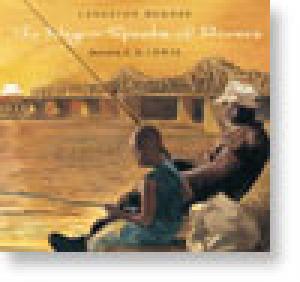
The Negro Speaks of Rivers
By: Langston Hughes
Illustrated by:

Dazzling watercolors turn Hughes' short poem into an unforgettable glimpse of African American history and an emotional journey through time. A concluding note details the illustrator's personal connection to the classic poem.
By: Kay Chorao
Illustrated by:

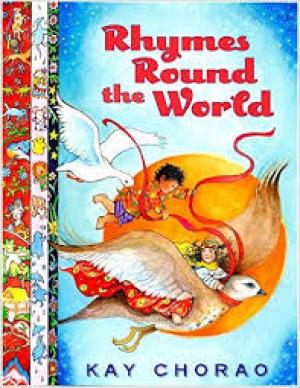
Children everywhere enjoy similar things, celebrated here in rhymes from around the world. Some are traditional while others are by credited authors; each is accompanied by soft illustrations until it's time to say good night (in many languages).

By: Deborah Ruddell
Illustrated by:
A range of forest inhabitants are presented imaginatively in a variety of poetic styles. From the "Bucktoothed Cleaver" (a beaver) to the chipmunks that invest in the "Acorn Savings Bank," poetry and illustrations allow readers to see animals afresh.
By: Jacqueline Woodson
Illustrated by:
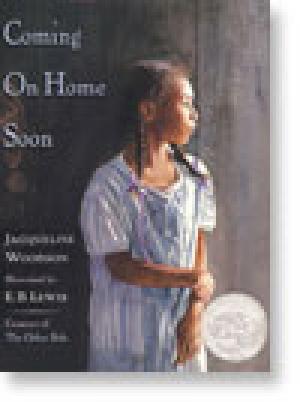
When Ada Ruth's mother goes to Chicago for a much-needed job during World War II, Ada Ruth stays with her grandmother in Grandma's rural home. Being apart is tough even though Ada Ruth knows it is in response to the war.
By: Jacqueline Woodson
Lonnie, aka Locomotion (first introduced in Locomotion) tries to connect with his sister and to prevent forgetting their "real" parents.
By: Jacqueline Woodson
Growing up is particularly difficult for Evie Green as she has no past. She lost it when her father testified against fellow police officers in a racially motivated murder. Each family member must learn to deal with their new lives and identities alone.
By: Jacqueline Woodson
Two 15 year olds — one black one white — meet and fall in love at an excusive New York prep school. Both deal with their family issues as well as with how their growing relationship is received.
By: Linda Jacobs Altman
Illustrated by:

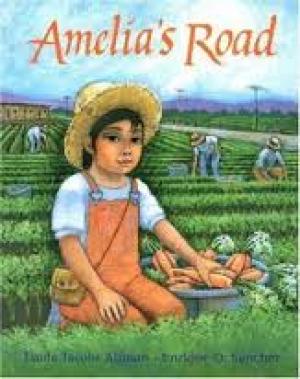
This moving story opens with the line, "Amelia Luisa Martinez hated roads." For Amelia, all roads represent the impermanence of moving from one farm labor camp to the next. Amelia longs for a place to call home in the midst of so much change.

Pages