
Giving English language learners (ELLs) the tools they need to develop close reading skills is an important step in helping them access more challenging grade-level texts (such as those aligned with the Common Core State Standards).
Jump to navigation Jump to Content
Giving English language learners (ELLs) the tools they need to develop close reading skills is an important step in helping them access more challenging grade-level texts (such as those aligned with the Common Core State Standards).

This foundational textbook equips pre-service and in-service educators with the knowledge and skills they need to make informed language and literacy education decisions in school.
Meeting the diverse needs of English language learners can be challenging for schools, particularly with limited resources, but across the country, educators are finding creative and affordable ways to address those needs through innovative scheduling,

English language learners' experience with technology can vary greatly from one student to the next. Some kids may have never used a computer. Others may be doing all of the troubleshooting!
This section provides specific ideas and strategies to support ELLs' language and literacy development, such as tips for planning lessons and the use of language objectives, as well as broader approaches such as using informal assessment and differentiation for varying language levels.
What's the best way to check whether ELLs understand how to draw conclusions?
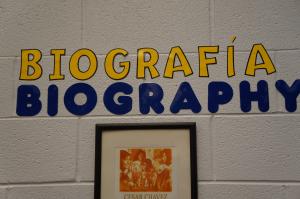
Cognates are words in two languages that share a similar meaning, spelling, and pronunciation, such as 'information' in English and 'información' in Spanish.
Cognates are words in two languages that share a similar meaning, spelling, and pronunciation. 30-40% of all words in English have a related word in Spanish and this guide provides a helpful list of cognates in Spanish and English.
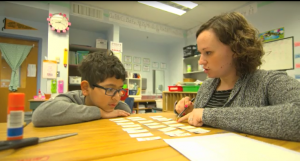
Learn how ESOL specialist Katy Padilla helps a small group of 5th-grade newcomers review reading basics at Mason Crest Elementary.