

Lynn Shafer Willner and Mira Monroe are accessibility specialists at the WIDA Consortia. In this article written for Colorín Colorado, they describe a "can do" approach when it comes to designing instruction for ELLs with disabilities — in other words

Dr. Diane Rodriguez is an Associate Professor in the Division of Curriculum and Teaching at Fordham University.
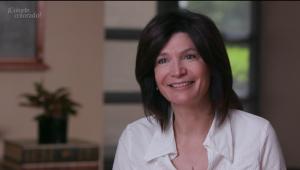
Lily Eskelsen García is president of the National Education Association, a major partner of Colorín Colorado. The first Latina to lead the NEA, Lily began her career in education as a school lunch lady. In this interview, Lily reca
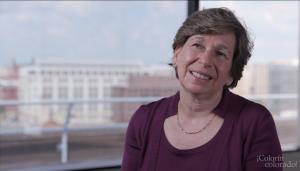
Randi Weingarten is president of the American Federation of Teachers, AFL-CIO, Colorín Colorado's founding partner.
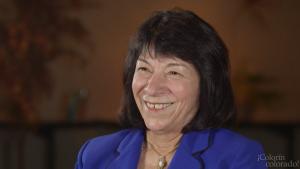
Dr. Alba Ortiz is one of the nation's leading experts on questions of special education for English language learners (ELLs). In this in-depth interview with Colorín Colorado, Dr.
Reading Instruction for ELLs
Nancy offers some guidance for reading instruction with beginner, intermediate, and advanced ELLs, as well as suggestions for choosing texts and placing students. See the complete interview with Dr.
Native Language and ELLs' Literacy Development
In this series of clips, Dr. Nancy Cloud discusses the role of the native language in reading instruction for ELLs, as well as ideas on how to use that language as a resource.
Teaching academic vocabulary
Dr. Nancy Cloud offers ideas, resources, and strategies for teaching ELLs academic vocabulary. See the complete video in our Meet the Experts section.