

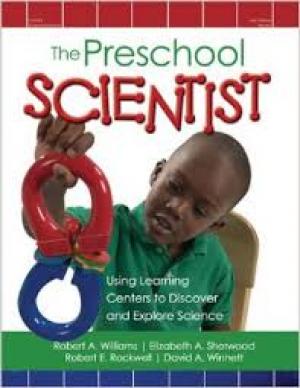
With more than 100 activities, this manual gives children the opportunity to engage, experiment, create, and discover the exciting world of science.
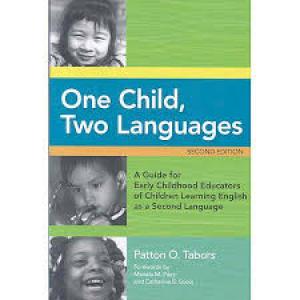
Product Description: Reflecting 10 years of dramatic change in early education — especially in critical areas like assessment and cultural diversity — this fully revised edition gives teachers up-to-date research, usable information, and essential tool
Product Description: How can early childhood practitioners best respond to cultural and linguistic diversity and ensure positive interactions with all children and families?

Product Description: The school readiness of young dual language learners depends on high-quality preschool programs that meet their needs—but how should schools promote and measure the progress of children learning two languages?

Product Description: Developed by Dina Castro and her expert team, this five-module program is the key to working effectively with diverse children and families and preparing all children for long-term school and social success.

Based on their experience and success in using the Language Experience Approach (LEA) with English language learners, authors Nessel and Dixon provide K-12 educators with a helpful guide on how to implement LEA in their own classrooms.
In the third edition of this title by ELL experts David E. and Yvonne S.
Product Description: When teachers are familiar with basic linguistic concepts, they are better prepared to make decisions about how to teach reading, spelling, phonics, and grammar to all students, including English language learners.