
Response to Intervention has become widespread in schools throughout the country, and it can provide an effective model for addressing student needs when implemented effectively.
Jump to navigation Jump to Content

Response to Intervention has become widespread in schools throughout the country, and it can provide an effective model for addressing student needs when implemented effectively.

What do teachers need to know about accommodations for English language learners (ELLs)? How are assessment accommodations changing with technology? Learn more from the following resources, including our video interview with expert Lynn Shafer Willne

What does special education look like in bilingual education programs? What does research say about learning two languages if you have a disability? Learn more from the resources below.
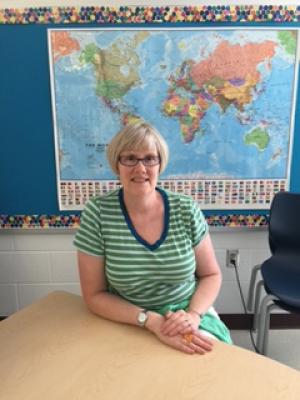
Kimberley Mathews has taught English for Speakers of Other Languages (ESOL) for 13 years in many different settings including preschool, adult education, and elementary schools both in the U.S. and abroad.

Lynn Shafer Willner and Mira Monroe are accessibility specialists at the WIDA Consortia. In this article written for Colorín Colorado, they describe a "can do" approach when it comes to designing instruction for ELLs with disabilities — in other words

Dr. Diane Rodriguez is an Associate Professor in the Division of Curriculum and Teaching at Fordham University.
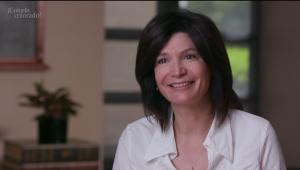
Lily Eskelsen García is president of the National Education Association, a major partner of Colorín Colorado. The first Latina to lead the NEA, Lily began her career in education as a school lunch lady. In this interview, Lily reca