
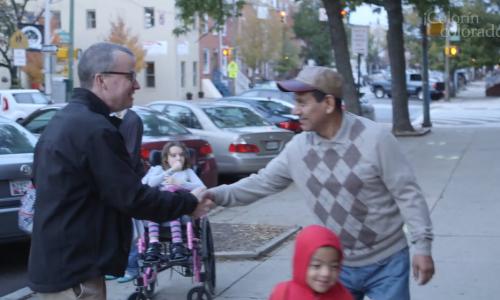
At the beginning of the school year, there are several steps you can take to build and strengthen partnerships with families of English language learners (ELLs). Here are some ideas to help you get started! Related videos are also available below.
Communication
Identify language resources in your district
It's important to know what resources can support communication with families in different languages. Your district may have certified interpreters, family liaisons, or a language line. Find out which resources are available and keep in mind that families have a legal right to receive information from the school in their home language.
Your district may also use approved translation tools and apps. These can be helpful for updates and check-ins, but keep in mind that these tools are not foolproof. They also are not appropriate for communicating more detailed or sensitive information. Ideally, a fluent speaker should review written documents before they are shared with families. Keep in mind that literacy levels may vary among family members as well, so it's important to find what works best for your families.
Get in touch with families
Look for contact information for your ELL families. Keep in mind that families' contact information may change, especially if families use prepaid cell phones. Family liaisons may have some helpful tips on outreach.
Reach out to families with information that:
- welcomes the families to the school
- lets students know some things they can look forward to
- provides the date and time of the school's Open House event
- lets the families know you are available for questions
- shares the best way to contact you, such as an e-mail, school phone number, or approved texting app if the district is using one
- provides the contact information of a bilingual staff member if you do not speak the language of the family
- includes a list of school supplies or other items that the students might need
Some teachers also include something students can redeem for a prize when they attend the Open House at school, such as a puzzle piece they place in a puzzle, or half a quote they may match up with the other half when they visit.
Keep the language simple and the message short, and find out how you can get the letter translated for bilingual students.
Do a home visit
Many schools do home visits before the first day of school, which can be an important connection builder. It's important to let families know when you'll be visiting and what to expect during the visit. You may wish to bring something small to leave behind, such as a flyer, magnet or bookmark.
Teachers may not meet all of the students in their classes, but they will be able to answer any questions families may have, offer information that can be shared with other families, and relay questions to the appropriate teacher. More importantly, they leave an impression of enthusiasm for starting the school year with the student.
See additional suggestions in Making Your First ELL Home Visit: A Guide for Classroom Teachers.
Contact families during the first weeks of school
It is important to establish a positive connection with the families of your students in the beginning of the year. The more you reach out to families, the more comfortable they will be in contacting you and participating in activities in school — don't let language be a barrier to developing a positive, supportive relationship. Here are some tips for establishing that connection:
- Let them know what you enjoy about their student and that you are available to answer questions.
- If you are calling an ELL family without bilingual support, keep the message very simple and direct: "Hello. I am _________'s teacher. You can call me at ____________ if you have questions. Thank you."
- Keep in mind that ELLs may have family members who speak English. If possible, identify those individuals and find out when they are available.
- You may also wish to have a simple English and bilingual message on your voicemail as well for families to communicate with you during the year.
- Find out how and when families wish to communicate. Many families have active networks on social media or texting apps, such as WhatsApp. Try to connect with families where they are and keep in mind that many families don't use e-mail. In addition, ask families for input on when they prefer to be contacted. Families may be prohibited from answering texts or calls while they are working.
- Ensure that families understand why the school needs updated emergency contact information. You may wish to provide translated emergency contact forms or other tools that can help. Learn how to make this easier for multilingual families in The Importance of Keeping Emergency Contact Information Updated.
Outreach
Look for ways to make families feel welcome
The best way to let families know that they are welcome is to tell them. Educators and school/program leaders can communicate this message by:
- Posting welcome signs on doors and in the front office in multiple languages
- Sharing information online in families' languages
- Inviting them to share information about their students, such as favorite hobbies and personal strengths
- Encouraging families to ask questions
Have a back-to-school celebration
Many schools hold an Open House before or early in the school year. This allows families to come together in a more social atmosphere. These events may include food, music, and games, as well as information about school clubs and activities. You can also invite families to share their own interests and let them know that they are welcome to attend school activities (which may be a new experience for them).
Students can also go to their new classrooms, meet the teacher, and see where they'll be sitting and what their daily schedule will be. And it's an important opportunity to meet teachers before the first day of school to reduce anxiety a student may feel about entering a new classroom.
In addition, keep in mind that that the idea of a school-family partnership may be new to families from countries where families are not typically part of the school day or activities. This is a great time to talk about these partnerships and how they work!
Plan events for the coming year
There are lots of ways to engage families during the year. One key step is to find out which topics interest them and what questions they have. In addition, you can offer workshops with materials such as these tip sheets and multilingual videos from Colorín Colorado. Our multilingual video series offer outreach guides with ideas for activities and events.
Check in with your immigrant families
ELL and immigrant families may face many demands, stressors, and uncertainties. Some families may be hesitant to come to the school, which makes ongoing communication even more important. You can find many ideas on how to partner with immigrant families in our related guide, How to Support Immigrant Students and Families: Strategies for Schools and Early Childhood Programs. Keep in mind that families' circumstances may change during the year. The better you know your students, the more attuned you can be to those situations and impacts.
Related Resources
- Communication with Multilingual Families
- Communicating with ELL Families: 10 Strategies for Schools
- Equity Through Language Access: Best Practices for Collaborating with Interpreters
- Making Students and Families Feel Welcome
- Lessons Learned from Immigrant Families
- ELL Family Engagement: Resource Collection







Add new comment