
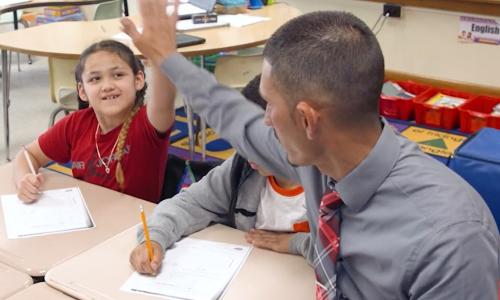
One of the most important things you can do as an educator of English language learners (ELLs) is to get to know your students. Not only does this help build a foundation for a strong relationship with students, it can help provide information and insights that will inform your instruction. Here are some tips to get started!
Student Background
1. Language
What You Need to Know
It's important to know what language(s) your students speak. Some may speak multiple languages, and some may already speak English. In fact, many ELLs were born in the U.S. and have learned conversational English.
Tips for Educators
- Find out which languages your students speak from home language surveys, conversations with students and families, or from your ELL colleagues.
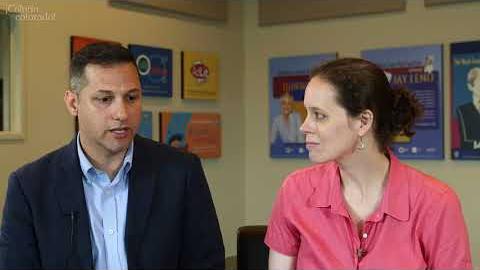
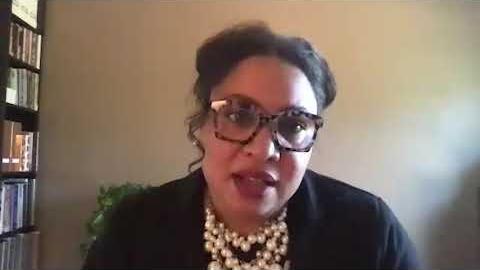
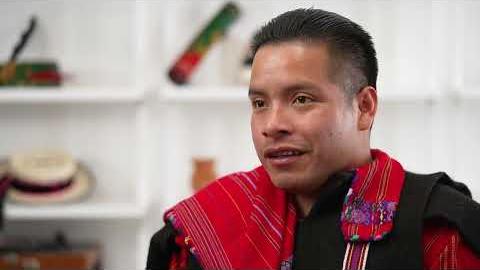
- Avoid making assumptions about the languages students speak based on their appearance, name, or country of origin. For example, two students from the same country may speak different languages or dialects. (See more examples in the videos below.)
- Keep in mind that students' languages are a valuable resource that can be incorporated into instruction in several ways, even if you do not speak those languages!
- Find out whether you have any Indigenous communities from Latin America in your school (and keep in mind that Indigenous students may hesitate to share their Indigenous identity). For example, a school may assume that all students from Spanish-speaking countries in Latin America speak Spanish as their primary language. However, Indigenous students from Latin America may speak Indigenous languages such as Mixtec, Mam, or Quechua as their first language and Spanish as a second language — or they may not speak Spanish at all.
How many Languages do ELLs speak?
ELLs across the U.S. speak more than 400 languages. The most commonly spoken language nationally is Spanish; however, the most common languages in each state vary widely. For example, in Maine, Portuguese and Somali are currently the most common languages. (You can learn more about your state in our ELL State Resources section.)
2. Country of Origin
What You Need to Know
It can be helpful to learn more about students' country of origin in order to provide related support and connect content to their experiences. However, some students may be reluctant to share information about their home countries, or they may not have ever lived in their family's country of origin if they were displaced. Approach this question with sensitivity and care.
Tips for Educators
- Find out if students or families have shared their country of origin with a family liaison or ELL teacher.
- Talk with a family liaison about whether students seem comfortable talking about their country of origin.
- Invite students to share a little bit about themselves and their home country in class surveys (not in front of peers, initially). Let them know that this information is optional to share.
- If students are open to it, invite them to put a pin in a world map to show where they are from or display flags from their home countries.
3. Special Communities
What You Need to Know
Your students and their families may be part of special communities, including those from their country of origin, culture, faith-based institution, volunteer activities, family business/employer, or other groups. Knowing which communities your students are part of can be helpful in terms of tying instruction to student experiences and also in terms of engaging adults and community members with the classroom. For example, many schools partner with employers in their community to support family and student engagement.
In addition, being familiar with the students' cultural traditions, holidays, and faith traditions can provide important opportunities for classroom learning and practical considerations, such as scheduling.
Tips for Educators
- Learn about some of the communities your students are part of through informal conversations and surveys. You may learn more over the course of the year. Family liaisons may have some helpful insights as well.
- Look for ways to connect instruction, class projects, field trips, and other activities to these communities where appropriate.
Student Strengths
4. Student Interests
What You Need to Know
Learn more about your students' interests, talents, and hobbies, which might include:
- Art, music, and dance
- Sports and fitness
- Reading
- Technology
- Comics and graphic novels
- Animals and the outdoors
Learning more about these interests can help you make connections to the curriculum and engage students in the classroom.
Tips for Educators
- Get to know students' interests through surveys, icebreakers, and informal conversations during lunchtime, before or after school, or in small groups.
- Share books about your students' interests from the classroom, school, or public library.
- Make sure that students have information about (and know how to sign up for) school activities and clubs.
5. Student Strengths
What You Need to Know
ELLs have numerous strengths based on their life experiences, which can include:
- Strong family support
- Strong interest in education
- High levels of personal responsibility, resilience, resourcefulness, and commitment to success
- Practical skills developed through family responsibilities, jobs, and life experiences
However, ELLs' strengths may be overlooked by other teachers and their peers. Bringing attention to these assets can help contribute to a strengths-based culture.
Tips for Educators
- Look for signs of students' strengths and celebrate them when you see them.
- Ask students what they think their strengths are.
- Invite families and colleagues to share their thoughts about students' strengths.
- Share these insights with other colleagues.
6. Student Responsibilities
What You Need to Know
Students may have many responsibilities outside of school. These may include the following:
Caretaking
Students may be responsible for helping take care of:
- Siblings
- Young family members
- Older relatives
- Relatives with special needs
Employment
Students may be working before or after school, and sometimes late into the night. They may also be helping to support their families. Their jobs might include:
- Full or part-time jobs
- Helping with a family business
Family Responsibilities
Students may have an important part in helping their families navigate decisions related to daily life, finances, services, health care, and other administrative tasks. These might include:
- Translating for families
- Helping with family paperwork and finances
These responsibilities may impact students' schedules and abilities to participate in after-school activities or extra-curricular activities. At the same time, keep in mind that students may have valuable experience and background knowledge based on these responsibilities.
Tips for Educators
- Learn more about what kinds of responsibilities your students have through surveys and informal conversations.
- Look for ways to highlight student strengths and background knowledge based on these experiences.
- If you have concerns related to schedule, attendance, schoolwork, or student well-being, consider how to proceed. Some options may include speaking to the student, family, a counselor, or family liaison. Proceed with sensitivity and empathy; students may be juggling a lot at once and under pressure.





Add new comment